Camping with kids can be a rewarding and memorable experience for the whole family. For beginners, however, camping with children may feel challenging due to safety concerns, comfort needs, and planning requirements. With the right preparation, camping with kids can be both enjoyable and stress-free.
This guide explains how beginners can successfully camp with children by focusing on safety, comfort, and realistic expectations.
Is Camping With Kids a Good Idea?
Camping can be very beneficial for children.
Benefits include:
- Connection with nature
- Learning basic outdoor skills
- Reduced screen time
- Family bonding
For beginners, starting with short and simple trips is the best approach.
Choose the Right Campsite for Families
Campsite selection is especially important when camping with kids.
Family-friendly campsite features:
- Designated campsites
- Clean restroom facilities
- Easy access by car
- Safe and open spaces
- Nearby assistance or staff
Avoid remote or difficult locations for early trips.
Keep the Trip Short and Simple
Short trips reduce stress for both parents and children.
Recommendations:
- One or two nights only
- Familiar environments
- Minimal travel time
Gradually increase trip length as children gain experience.
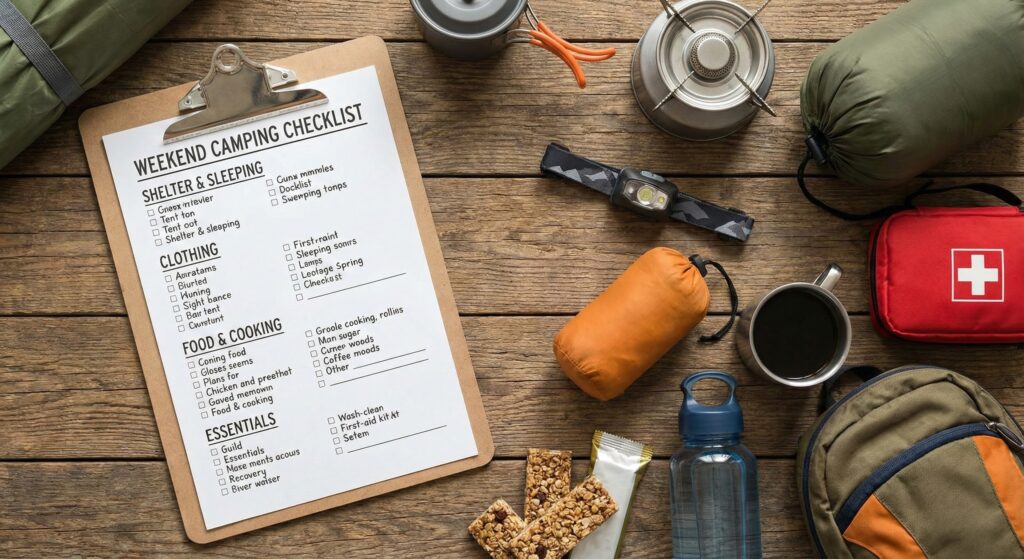
Pack Smart and Prepare for Comfort
Children need additional comfort items.
Essential items for kids:
- Extra clothing
- Warm layers
- Favorite blanket or pillow
- Comfortable sleeping setup
Familiar items help children feel secure in new environments.
Safety Comes First When Camping With Kids
Safety planning is critical.
Important safety steps:
- Establish clear boundaries
- Teach basic campsite rules
- Supervise near water and fire
- Keep first aid supplies accessible
Clear rules help prevent accidents.
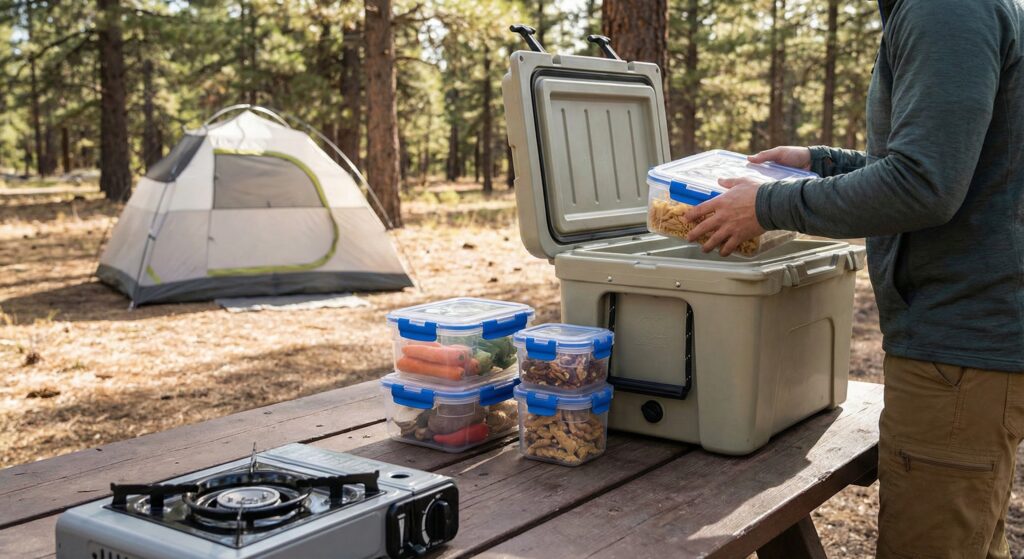
Plan Simple Meals and Snacks
Hungry children quickly lose patience.
Food planning tips:
- Bring familiar foods
- Pack easy-to-eat snacks
- Avoid complex meals
- Maintain regular meal times
Simple food keeps children comfortable and happy.
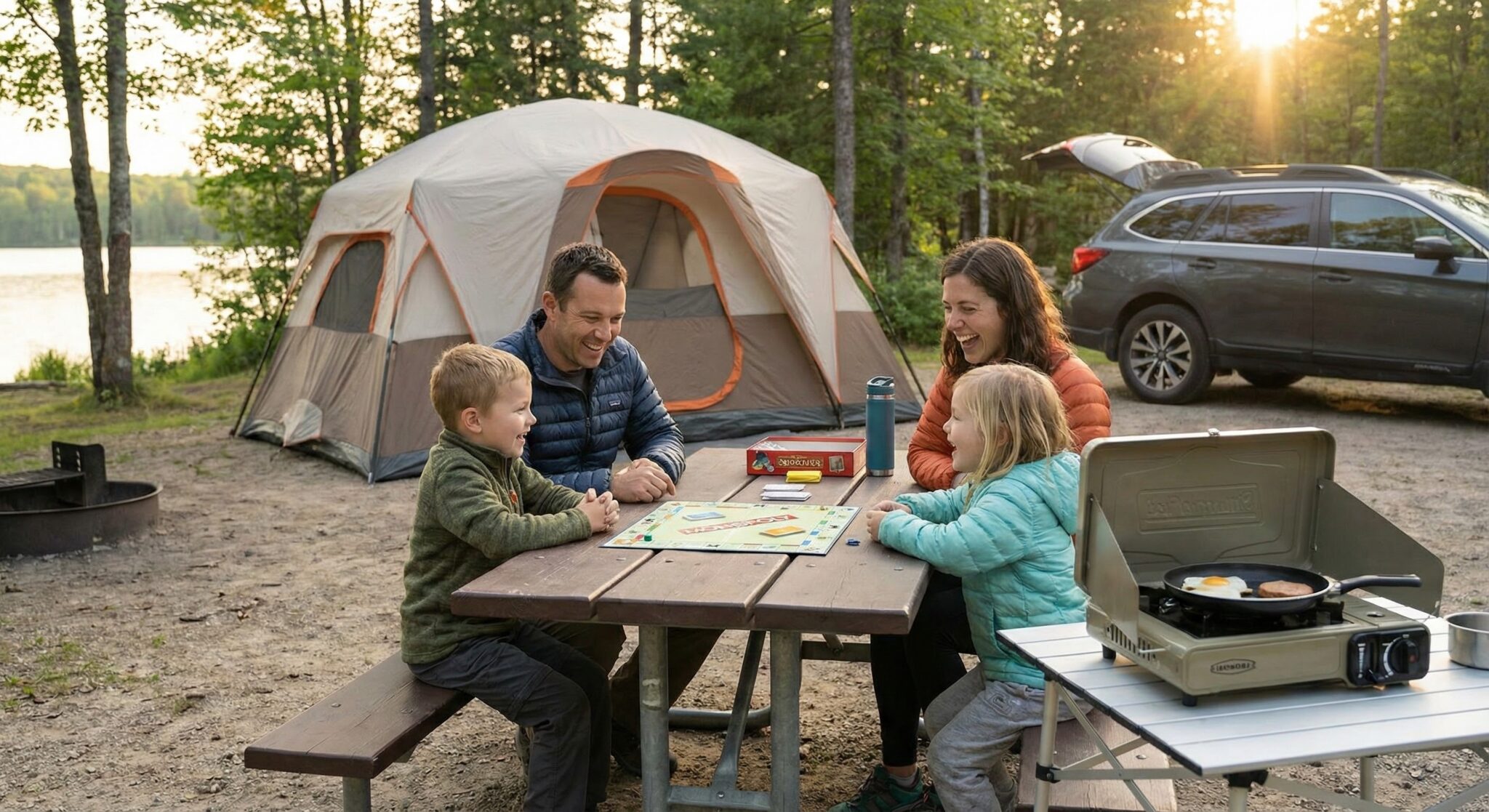
Keep Kids Engaged With Activities
Activities help children enjoy the experience.
Beginner-friendly camping activities:
- Nature walks
- Simple scavenger hunts
- Stargazing
- Board games or cards
Structured activities prevent boredom.
Maintain Hygiene and Routine
Children thrive on routine.
Helpful practices:
- Maintain bedtime routines
- Encourage handwashing
- Change clothes daily
Consistency helps kids adjust to camping life.
Prepare for Weather Changes
Weather affects children more quickly.
Tips:
- Bring extra layers
- Prepare rain protection
- Monitor temperature changes
Being prepared prevents discomfort and illness.
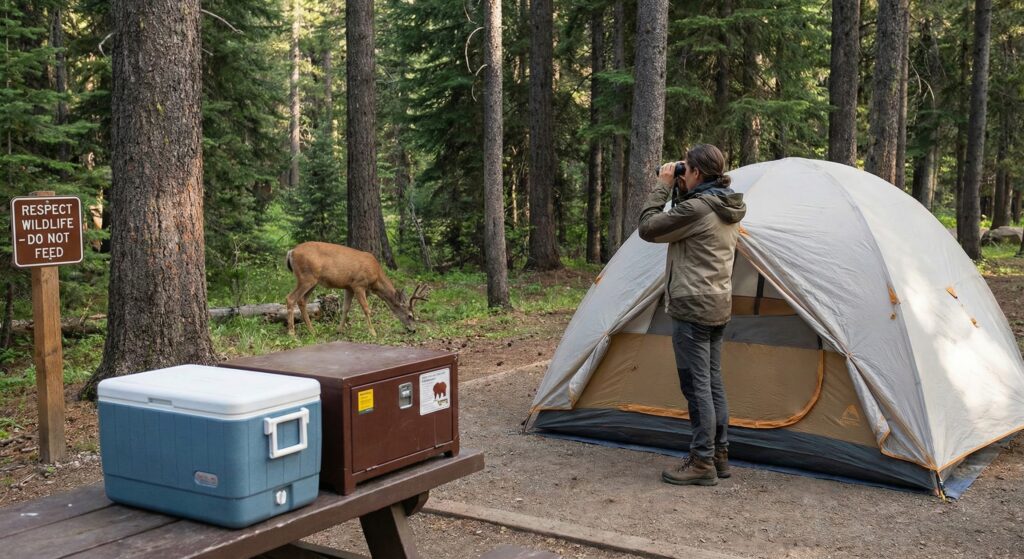
Teach Respect for Nature
Camping is an opportunity to teach responsibility.
Key lessons:
- Leave no trash behind
- Respect wildlife
- Protect plants and trees
Teaching responsibility builds long-term appreciation for nature.
Common Mistakes Beginners Make When Camping With Kids
Typical mistakes include:
- Overplanning activities
- Choosing difficult locations
- Ignoring comfort needs
- Setting unrealistic expectations
Flexibility is essential when camping with children.
Frequently Asked Questions
What age is best for camping with kids?
Children of almost any age can camp with proper preparation.
Is camping safe for young children?
Yes, when safety measures and supervision are in place.
How long should the first family camping trip be?
One night is ideal for beginners.
Conclusion
Camping with kids can be a fun, educational, and bonding experience when approached thoughtfully. Beginners should focus on simplicity, safety, and comfort rather than adventure or distance.
With proper planning and a flexible mindset, family camping becomes a positive experience that children remember fondly.