Choosing the right camping tent is one of the most important decisions for anyone new to camping. A tent is not just a shelter; it is your primary protection against weather conditions, insects, and environmental factors. Selecting the wrong tent can quickly turn a camping trip into an uncomfortable experience.
This guide explains how beginners can choose the right camping tent based on practical criteria and real-world usage.
Why Choosing the Right Tent Matters
A camping tent directly affects:
- Sleep quality
- Safety
- Protection from rain and wind
- Temperature control
- Overall comfort
For beginners, simplicity and reliability are more important than advanced features.
Types of Camping Tents
Understanding tent types helps narrow down the right choice.
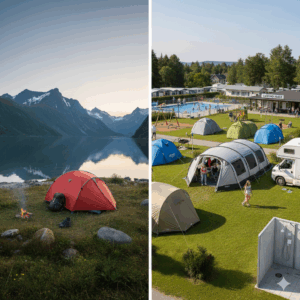
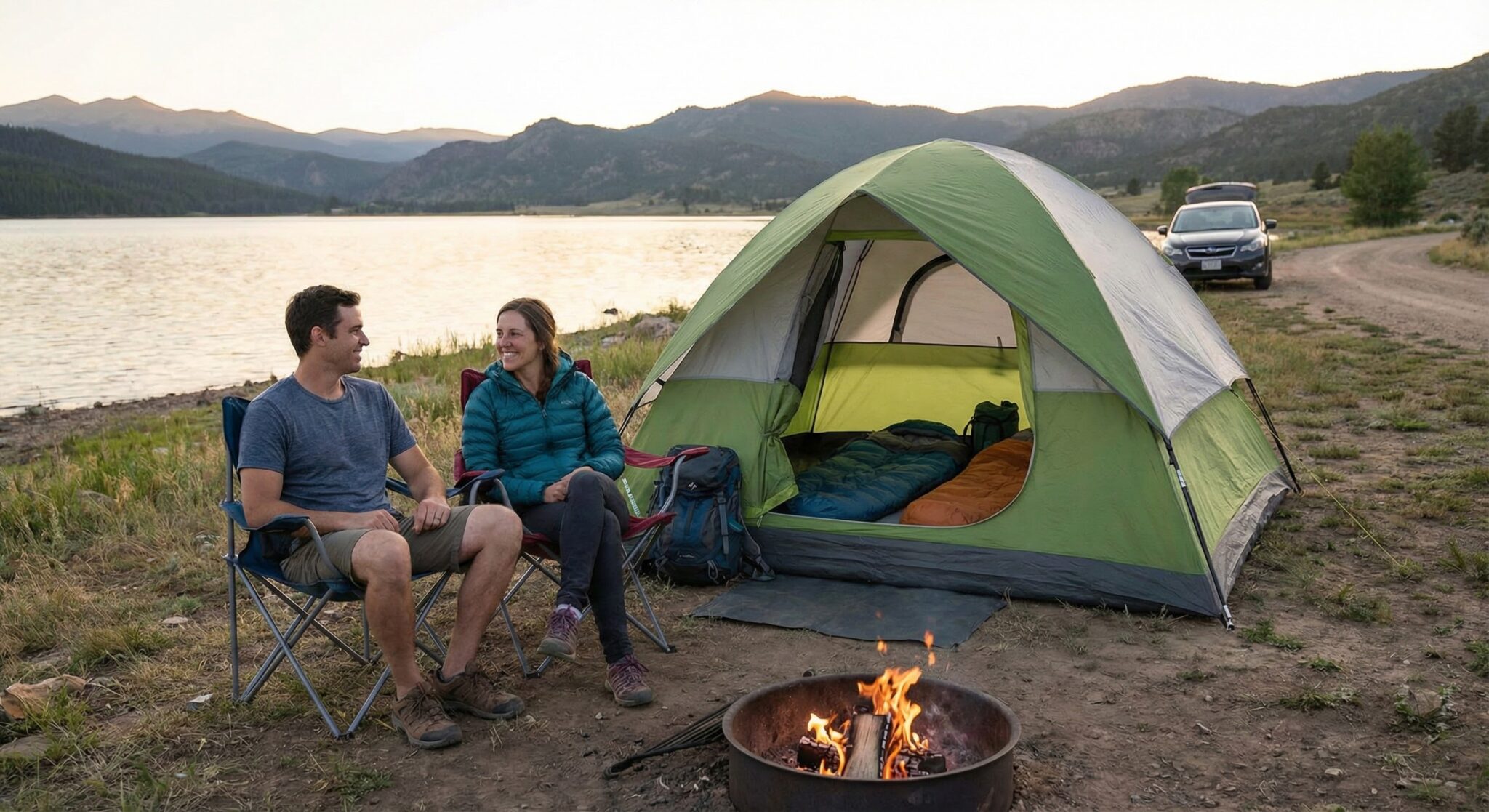
Dome Tents
- Easy to set up
- Lightweight
- Suitable for beginners
- Ideal for short trips
Tunnel Tents
- Spacious interior
- Better for longer stays
- Require proper anchoring
Pop-Up Tents
- Extremely easy setup
- Less durable in strong wind
- Best for casual or short-term use
For first-time campers, dome tents are usually the safest option.
Tent Capacity: How Many People?
Tent capacity labels can be misleading.
Practical advice:
- A 2-person tent is comfortable for 1 person + gear
- A 3-person tent fits 2 people comfortably
- Always size up if you want extra space
Beginners should prioritize comfort over minimal size.
Seasonal Ratings Explained
Tents are rated based on seasonal use.
Common ratings:
- 2-season tents: Warm weather only
- 3-season tents: Spring, summer, fall (recommended for beginners)
- 4-season tents: Winter and extreme conditions
A 3-season tent offers the best balance for most campers.
Material and Durability
Tent materials affect weight and protection.
Key factors:
- Polyester or nylon fabric
- Waterproof coating (PU or silicone)
- Sealed seams
- Durable zippers
Always check the waterproof rating, especially for rainy environments.
Ease of Setup
For beginners, setup time matters.
Look for tents that:
- Have color-coded poles
- Include clear instructions
- Can be assembled within 10–15 minutes
Practicing setup at home before your trip is highly recommended.
Ventilation and Weather Protection
Good airflow prevents condensation inside the tent.
Important features:
- Mesh panels
- Roof vents
- Rainfly coverage
Proper ventilation improves comfort and sleep quality.
Weight and Portability
If you plan to hike to your campsite, tent weight becomes critical.
General guidelines:
- Car camping: Weight is less important
- Backpacking: Lightweight tents preferred
Beginners often start with car camping, where durability matters more than weight.
Common Mistakes When Buying a Tent
New campers frequently make these mistakes:
- Choosing the smallest size
- Ignoring weather resistance
- Buying based on price alone
- Overlooking setup complexity
- Not testing the tent before the trip
Avoiding these mistakes ensures a smoother experience.
Frequently Asked Questions
Is an expensive tent necessary?
No. Entry-level tents are sufficient for beginners.
Can one tent be used year-round?
Only if it matches the seasonal conditions.
How long does a camping tent last?
With proper care, a quality tent can last several years.
Conclusion
Choosing the right camping tent is about balancing comfort, protection, and ease of use. Beginners should focus on simple, durable, and weather-resistant tents rather than advanced or specialized models.
With the right tent, camping becomes safer, more comfortable, and far more enjoyable.