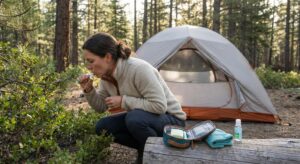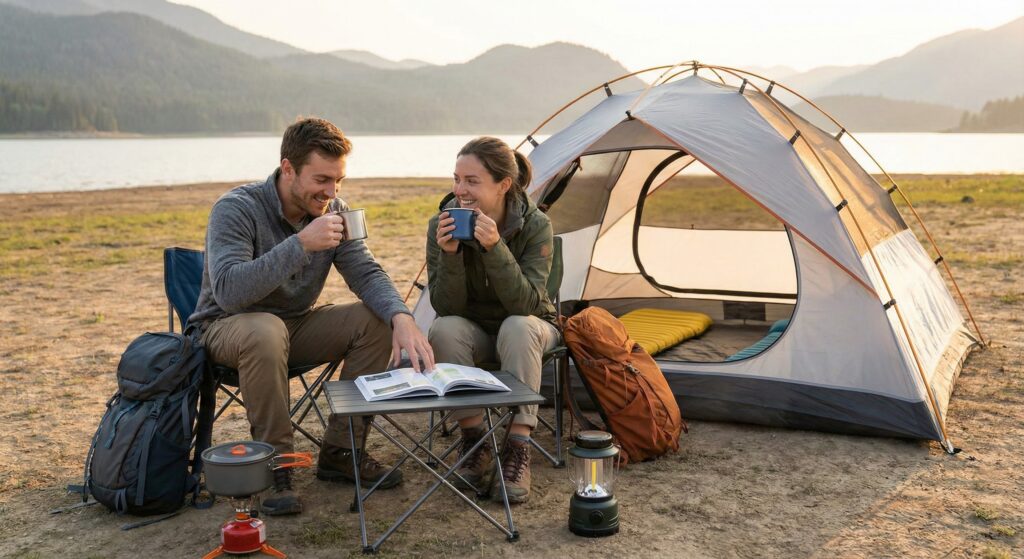
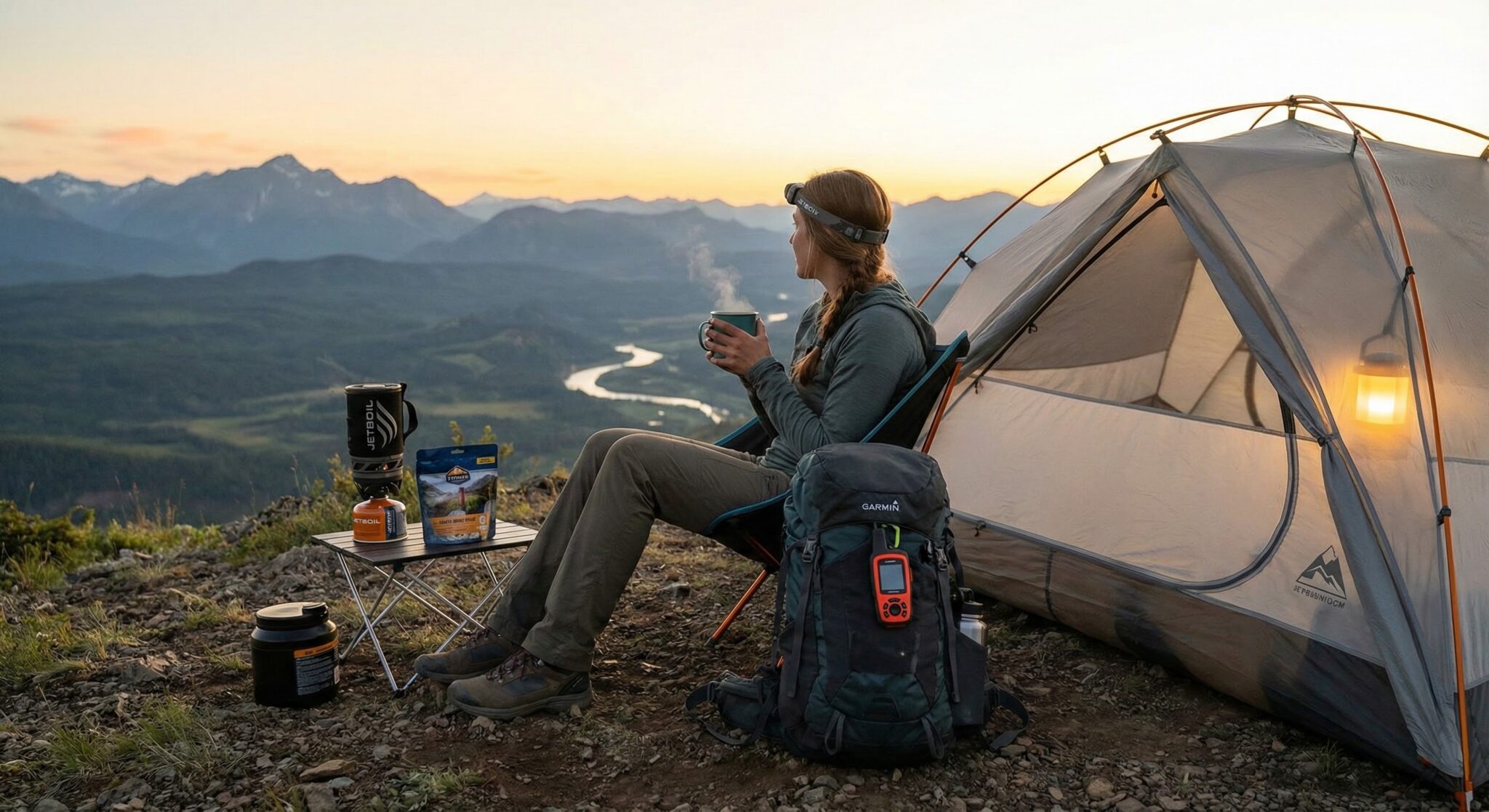
Imagine standing alone on a ridge, watching the sun dip below the horizon, with nothing but the sound of wind in the pines and your own heartbeat. There are no schedules to follow, no compromises to make, and total silence. This is the allure of solo camping.
For many, however, the dream of a solo adventure is quickly overshadowed by anxiety. Is it safe? What if I get hurt? Will I be scared of the dark?
You are not alone in these fears. But in 2026, with the right combination of modern gear, smart planning, and mental preparation, solo camping is safer and more accessible than ever before. This comprehensive guide goes beyond the basic packing lists. We will dive deep into the psychology of being alone in the wild, the specific gear that makes solo trips manageable, and the safety protocols that will give you (and your loved ones) peace of mind.
Let’s turn your anxiety into adrenaline and your hesitation into freedom.
1. The “Why”: The Hidden Benefits of Camping Alone
Before we pack your bag, it is crucial to understand why you are doing this. Understanding your motivation will help push you through the initial moments of doubt.
- Unfiltered Freedom: Wake up when you want. Eat what you want. Hike as far (or as little) as you please. The itinerary is 100% yours.
- Deep Decompression: Without the social pressure to converse or entertain, your brain finally switches off “performance mode.” This is where true mental restoration begins.
- Self-Reliance: There is a unique confidence boost that comes from setting up camp, cooking a meal, and navigating the woods entirely by yourself.
Pro Tip: For your first trip, your “Why” should be simple. Don’t aim for a spiritual awakening; aim for a comfortable night of sleep.
2. Safety First: The “Solo Camper’s Triangle”
Safety is the number one concern for solo campers, and rightly so. To mitigate risk, we use a strategy called the Solo Camper’s Triangle.
A. The Digital Lifeline
In 2026, going off-grid doesn’t mean going dark.
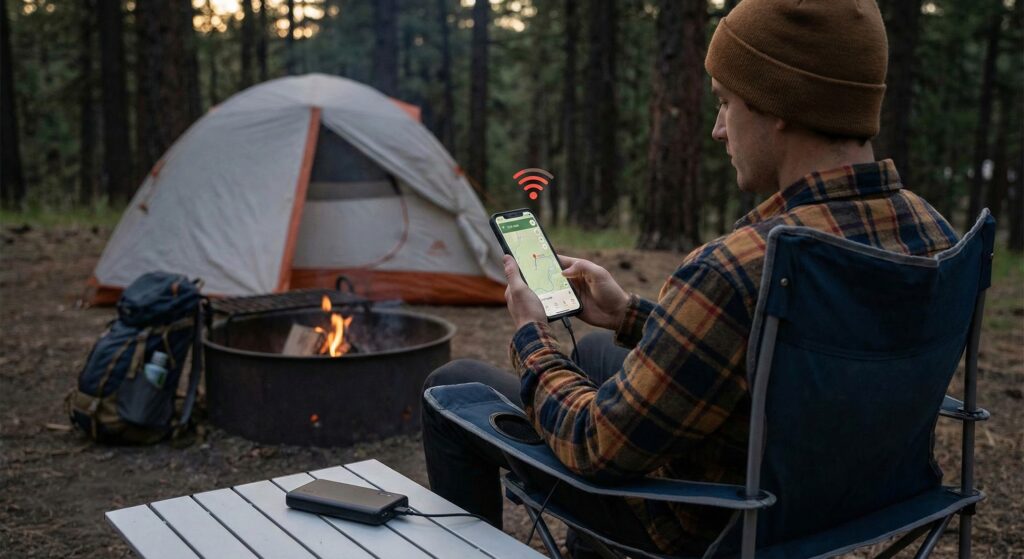
- Satellite Messengers (PLBs): Devices like the Garmin inReach or Zoleo are non-negotiable for remote solo trips. They allow you to send “I’m okay” texts and trigger an SOS to search and rescue teams even without cell service.
- Offline Maps: Never rely on a live connection. Download maps on Gaia GPS or AllTrails and, crucially, carry a paper map and compass (and know how to use them).
B. The Itinerary Protocol
Someone back home must be your “Mission Control.”
- Create a detailed document including:
- Coordinate of your trailhead and campsite.
- Make, model, and license plate of your car.
- Expected return time.
- The “Panic Time”: A specific time after your expected return when, if they haven’t heard from you, they must call authorities.
C. Situational Awareness
- Trust Your Gut: If a campsite feels “off” or if a stranger at the trailhead makes you uncomfortable, pack up and leave. Being rude is better than being unsafe.
- Arrive Early: Always reach your campsite at least 2 hours before sunset. Setting up in the dark when you are alone amplifies anxiety and mistakes.
3. Solo-Specific Gear: Light, Smart, and Redundant
When you camp with a group, you can split the weight of the tent, stove, and food. When you are solo, you carry it all. This requires a shift in your gear strategy.
The Shelter System
For solo campers, a 1-person tent is often too claustrophobic, especially if it rains.
- Recommendation: Opt for a lightweight 2-person tent. The extra weight (usually only 1-2 lbs) is worth the ability to bring your gear inside with you, which provides a psychological sense of security.
The Kitchen
Leave the two-burner stove at home.
- System: A simple integrated canister stove (like a Jetboil or MSR PocketRocket) is best.
- Food: Freeze-dried meals are your friend. They require zero prep and zero cleanup—two things you won’t want to do alone in the dark.
The “Comfort Items”
When solo, boredom can lead to anxiety. Bring items that occupy your mind.
- A physical book or Kindle (save phone battery).
- A pair of binoculars.
- A small journal.
4. The Mental Game: Conquering the “Nighttime Scaries”
This is the part most blogs skip, but it is the most real challenge. You’ve set up camp, cooked dinner, and now the sun is down. The woods come alive with sounds. Every twig snap sounds like a bear (or worse).
Understanding the “Predator Drift”
Biologically, humans are wired to be alert when alone in the dark. Your senses heighten. This is normal.
- Combat it with noise: The silence can be deafening. Download podcasts or audiobooks beforehand. Listening to human voices can trick your brain into feeling less isolated.
- The Lighting Trick: Don’t just use a headlamp (which creates a “tunnel vision” effect). Bring a small, warm-light lantern for your tent. It creates a cozy “room” effect rather than a spotlight in the void.
Managing Wildlife Fear
- Food Storage: If you practice proper food storage (Bear Canister or Bear Bag hang), you remove the primary reason an animal would approach your tent.
- Defense: Carry bear spray (know how to use it) and keep it accessible, not buried in your pack.
5. Step-by-Step Guide to Your First Solo Trip
Don’t hike 10 miles into the wilderness for your first solo run. Build up your tolerance gradually.
Level 1: The Backyard Shakedown
Set up your tent in your backyard or living room. Sleep in it. Test your stove. If you get scared or cold, the back door is right there.
Level 2: The “Car-Camping” Solo
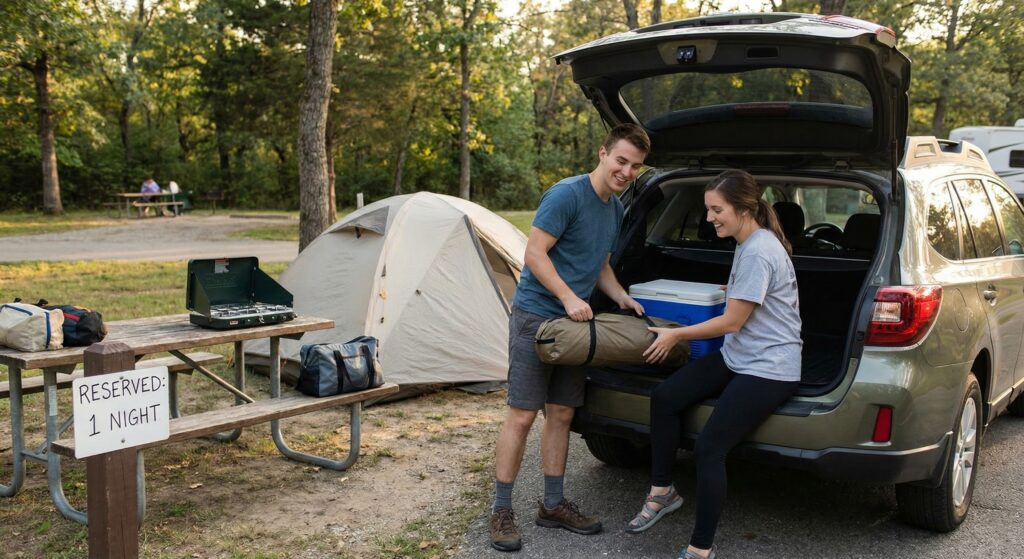
Book a campsite at a populated state park where you park right next to your spot. You are alone, but there are families 50 feet away. This creates a safety net while you get used to the solitude.
Level 3: The Short Hike-In
Choose a trail you know well. Hike in 1-2 miles. You are out of sight of cars, but close enough to bail out if necessary.
6. Solo Camping Etiquette
Just because you are alone doesn’t mean you are invisible.
- Leave No Trace: You are the sole guardian of your campsite. Pack out everything you pack in.
- Noise Discipline: Solo campers often seek quiet. If you encounter other soloists, a friendly nod is great, but respect their solitude unless invited to chat.
Conclusion: The Adventure Begins With You
Solo camping is more than just sleeping outside; it is a declaration of independence. It teaches you that you are capable, resilient, and adaptable.
The first night might be sleepless. You might listen to the wind and wonder why you left your warm bed. But when you unzip your tent the next morning, brew your coffee in the crisp morning air, and realize you did it, the feeling is unbeatable.
Frequently Asked Questions (FAQ)
Q: Is solo camping safe for women?
A: Absolutely. While safety precautions are necessary for everyone, thousands of women solo camp every year. The key is preparation, carrying a satellite communicator, and trusting your intuition.
Q: What is the best defense against animals when solo camping?
A: A clean campsite is your best defense. Animals are looking for food, not you. Keep all scented items (toothpaste, food, trash) in a bear canister or bear box. Carry bear spray as a last resort.
Q: How do I not get bored while camping alone?
A: Boredom is part of the detox! However, bring “bushcraft” tasks to do: whittle a stick, perfect your knot-tying skills, identify plants, or engage in photography. Structure your day so you aren’t just sitting around waiting for bedtime.