
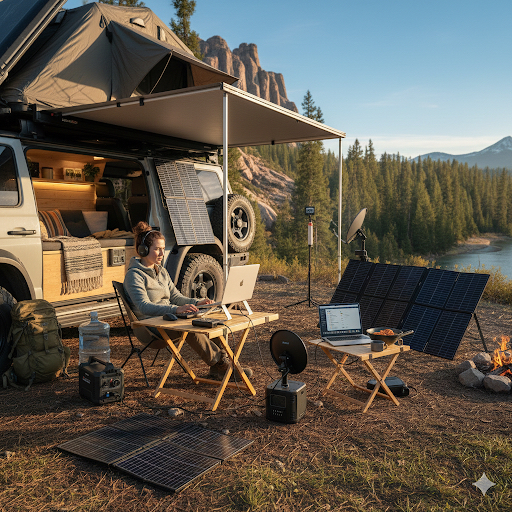
Digital nomad camping is a growing lifestyle that combines remote work with life outdoors. In this guide, you’ll learn how to work while camping using reliable power, stable internet, simple routines, and practical, real-world tips.
What Digital Nomad Camping Is Really Like
Digital nomad camping isn’t about chasing Instagram views or escaping real life. For people who practice it long-term, it’s about slowing down, reducing distractions, and living more intentionally. When you work while camping, daily habits naturally change. You wake up with daylight instead of alarms, spend less on rent and hotels, and plan your time more carefully because space, power, and internet are limited. That said, camping while working remotely only works when you prepare properly. Without electricity, stable internet, or a basic routine, productivity drops fast. This guide focuses on the practical side of digital nomad camping so you can enjoy nature without falling behind at work.
Choosing the Right Camping Setup for Remote Work
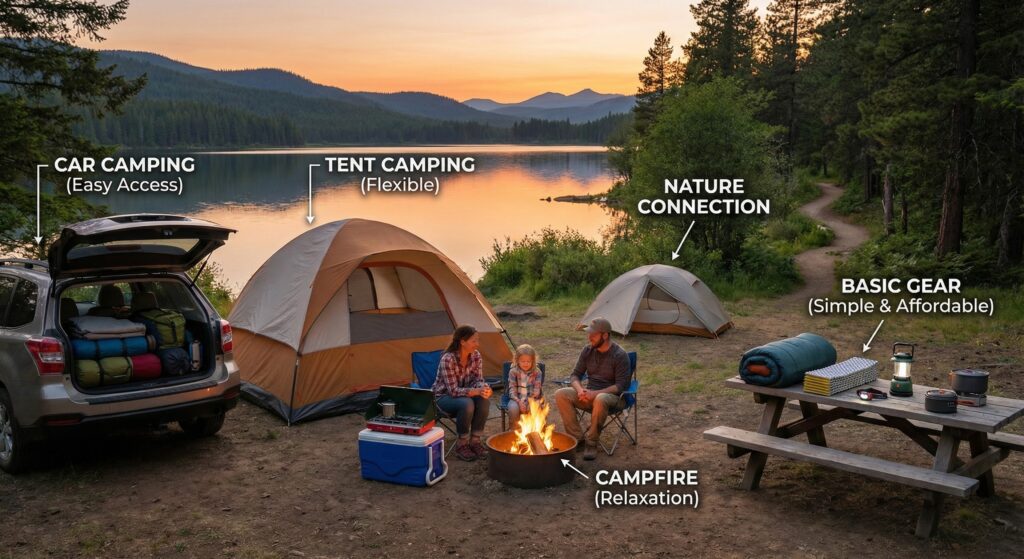
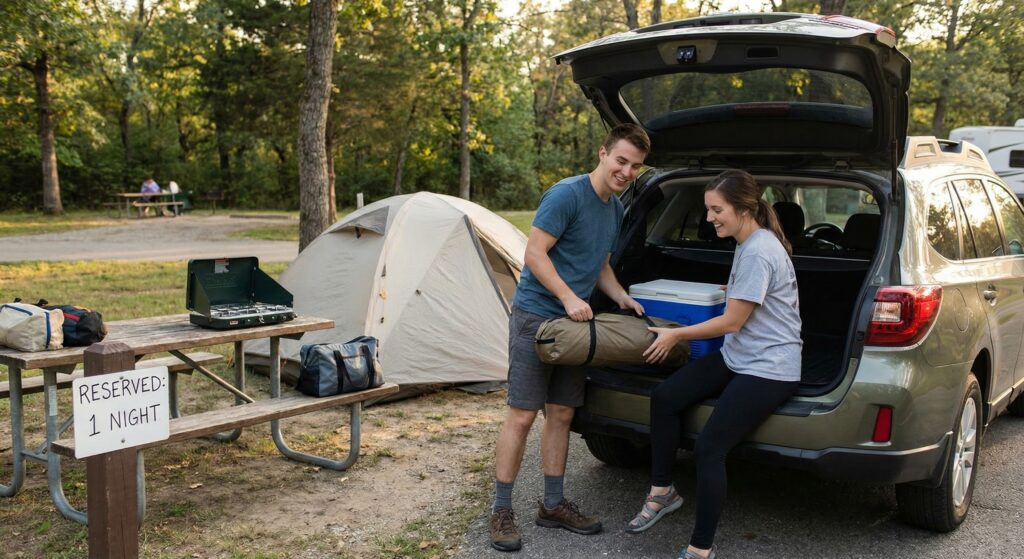
Your camping setup directly affects how well you can work remotely. Tent camping is ideal for short trips or for testing the digital nomad camping lifestyle. It’s affordable and flexible, but bad weather and long work sessions can quickly become uncomfortable. Car or van camping is often the best option for full-time remote work camping. It offers more storage, better protection for electronics, and stronger power solutions. While fuel and maintenance costs are higher, the comfort usually makes it worthwhile. Rooftop tents and overlanding setups allow access to remote areas and quick setup, but privacy and weather protection can be limiting, especially during storms or video calls.
A simple rule:
If you can’t sit comfortably and work for at least four hours without pain, your setup needs improvement.
Power Solutions for Digital Nomad Camping
Electricity is the foundation of working online while camping. A portable power station is essential for digital nomad camping. Solar panels work extremely well in sunny regions, especially foldable panels that are easy to transport. Car charging is a reliable backup, particularly on travel days. Always plan for power failure. Bring extra cables, at least two power banks, and a spare laptop charger. A good rule of thumb is to plan for two extra days of power beyond what you expect to need.
Internet for Camping While Working Remotely
For remote work camping, internet stability matters more than speed. A local SIM card with a mobile hotspot is often the most reliable and affordable solution. In many regions, mobile data outperforms campground Wi-Fi. Portable Wi-Fi routers improve call stability, while satellite internet can work in very remote locations if your budget allows. A useful habit: download files when the signal is strong and work offline whenever possible. Upload and sync later.
Building a Mobile Workspace While Camping
Digital nomad camping doesn’t mean working from your bed or the ground. Poor posture quickly leads to pain and burnout. A folding table, a supportive chair, and a laptop stand dramatically improve comfort. An external keyboard and mouse help prevent neck and wrist strain. Work in the shade whenever possible, and stand up or stretch at least once an hour. Comfort isn’t a luxury it’s essential for long-term productivity.
Sleep, Weather, and Daily Comfort Outdoors
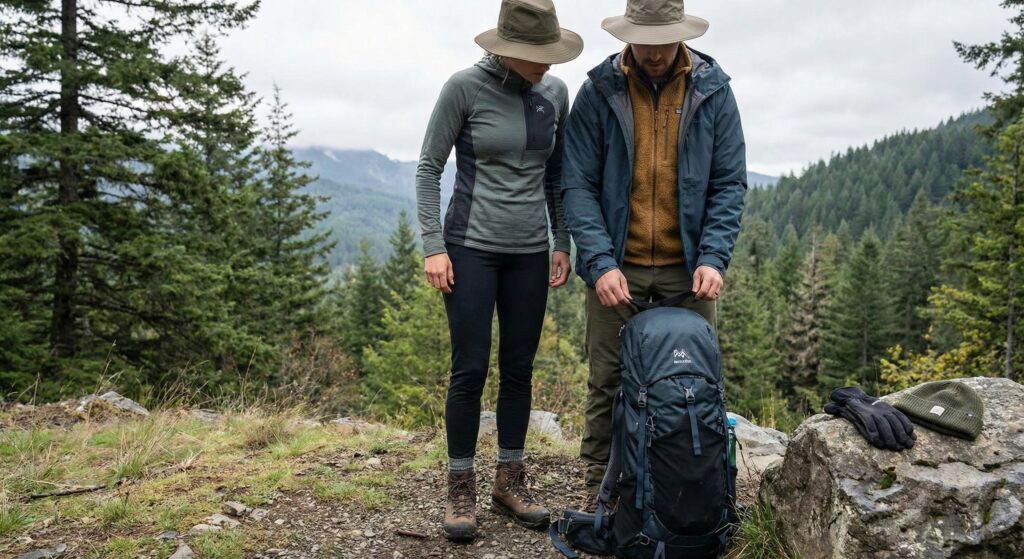
Good sleep is critical when combining camping and remote work. Layering is key. A dry base layer, warm mid layer, and weatherproof outer layer handle most conditions. Ventilate your tent to reduce moisture and always keep one set of clothes completely dry. Small comfort items make a big difference: warm tea, a blanket, lip balm, and a headlamp can turn an uncomfortable evening into a restful one.
Simple Food for Digital Nomads on the Road
When you work full-time while camping, food should be simple. Oats, pasta bowls, couscous, canned fish, beans, and vegetables are easy to cook and clean up. One-pot meals save time and water. Always store food properly and never leave it outside—wildlife encounters are rarely enjoyable.
Leave No Trace and Responsible Camping
Digital nomads spend more time in nature than most people, which means greater responsibility. Pack out all trash, stay on established trails, keep noise levels low, and avoid unnecessary fires. Following Leave No Trace principles protects the environments that make digital nomad camping possible.
Safety and Privacy While Camping and Working Online
A calm and secure environment improves focus. Share general travel plans with someone you trust, but avoid posting your exact location in real time. Lock valuables and trust your instincts. If a place feels unsafe, move on. Solo travelers often feel safer camping near others rather than in complete isolation.
Why Routine Matters for Digital Nomad Camping
Freedom without structure leads to burnout. Many digital nomads follow a simple routine: focused work in the morning, lighter tasks in the afternoon, and rest in the evening. Even a flexible routine improves productivity and mental well-being.
Is Digital Nomad Camping Right for You?
Digital nomad camping suits people who value freedom, nature, flexibility, and simplicity. It may be challenging if you need luxury, large cities, or constant high-speed internet. The best way to start is with short trips. Test your setup, learn what works, and adjust over time. Digital nomad camping isn’t about escaping responsibility. Many remote workers choose this lifestyle to simplify daily life and reduce distractions. With realistic expectations, proper planning, and respect for nature, working while camping can be productive, affordable, and deeply rewarding.

I really enjoyed this article! It was informative, engaging, and inspiring — a great read for anyone interested in digital nomad life and camping.😊
Such a refreshing read! I appreciate the clear perspective and practical ideas shared here. Looking forward to reading more of your articles in the future.
A very useful and great article. I’m really looking forward to the next one!
It was amazing 😍 I’m really looking forward to doing it again.
I really enjoyed reading this guide. It explains digital nomad camping in a very realistic and practical way, without romanticizing it too much. The focus on preparation, routine, and comfort makes it feel genuinely useful for anyone considering this lifestyle. You’ve done a great job showing that working outdoors can be both productive and grounding when done thoughtfully.