Preparing for your first camping trip can feel overwhelming, especially if you have never spent a night outdoors. The key to a successful first experience is preparation. With the right planning, camping becomes comfortable, safe, and enjoyable.
This step-by-step guide explains exactly how beginners should prepare for their first camping trip, from planning to packing and execution.
Step 1: Choose the Right Type of Camping
Not all camping experiences are the same. Beginners should start with simple options.
Recommended for first-time campers:
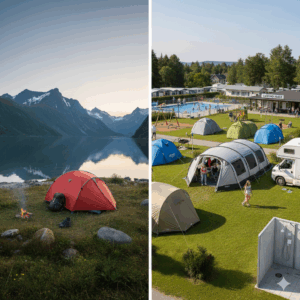
- Designated campsites
- Campsites with basic facilities
- Car camping rather than backpacking
Avoid remote or wilderness camping until you gain experience.
Step 2: Pick the Right Location
Selecting a suitable location reduces risk and stress.
Things to consider:
- Easy access by car
- Availability of restrooms or water
- Weather conditions
- Cell phone signal coverage
- Safety and campsite regulations
Research the campsite thoroughly before your trip.
Step 3: Check the Weather Forecast
Weather has a major impact on camping comfort.
Before leaving:
- Check daytime and nighttime temperatures
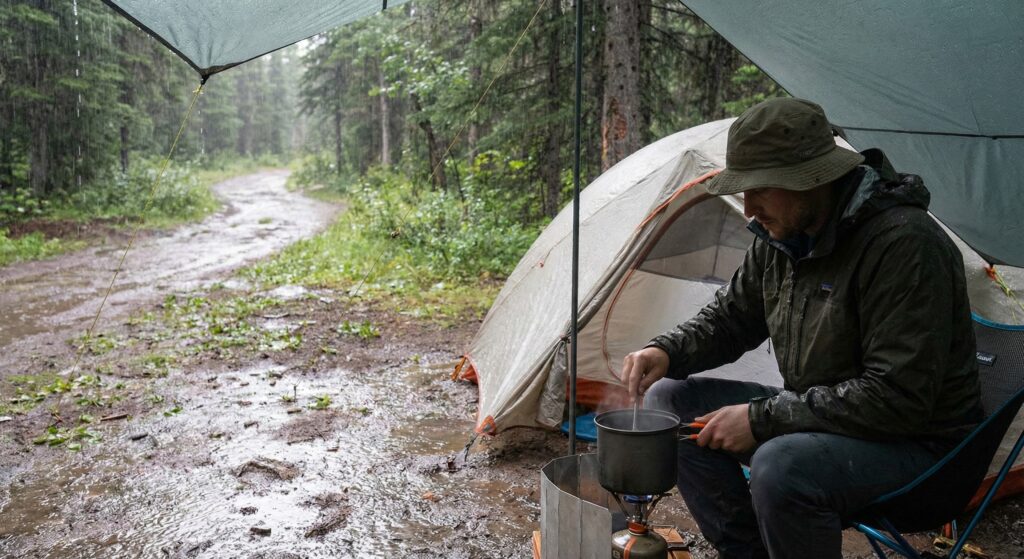
- Look for rain or wind warnings
- Prepare clothing accordingly
Always plan for weather changes, even if the forecast looks good.
Step 4: Create a Packing Checklist
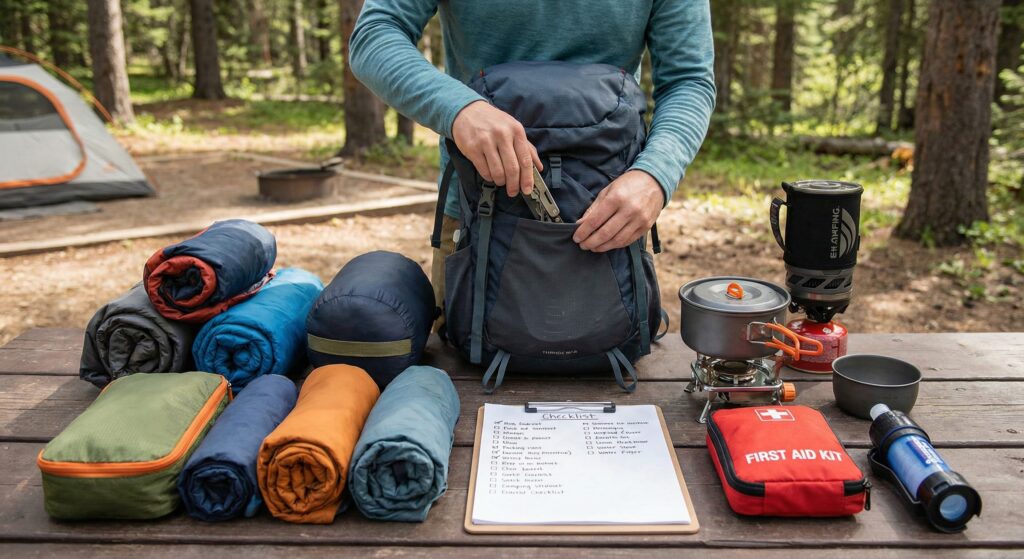
A checklist prevents forgotten essentials and unnecessary items.
Basic categories to include:
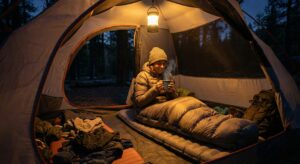
- Shelter and sleeping gear
- Clothing
- Food and cooking supplies
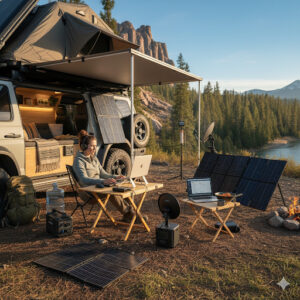
- Lighting and power
- Safety and first aid
- Personal items
Using a checklist simplifies packing and improves organization.
Step 5: Prepare Your Camping Gear in Advance
Never test new equipment for the first time at the campsite.
Before your trip:
- Set up your tent at home
- Check sleeping gear
- Test lights and power banks
- Make sure cooking equipment works
This step avoids frustration during setup.
Step 6: Plan Simple Meals
Food planning should be practical, not complicated.
Tips for beginners:
- Choose easy-to-cook meals
- Bring ready-to-eat snacks
- Avoid complex recipes
- Pack enough drinking water
Simple meals save time and reduce stress.
Step 7: Organize Transportation
Transportation affects what you can bring.
Consider:
- Available storage space
- Weight of equipment
- Accessibility of the campsite
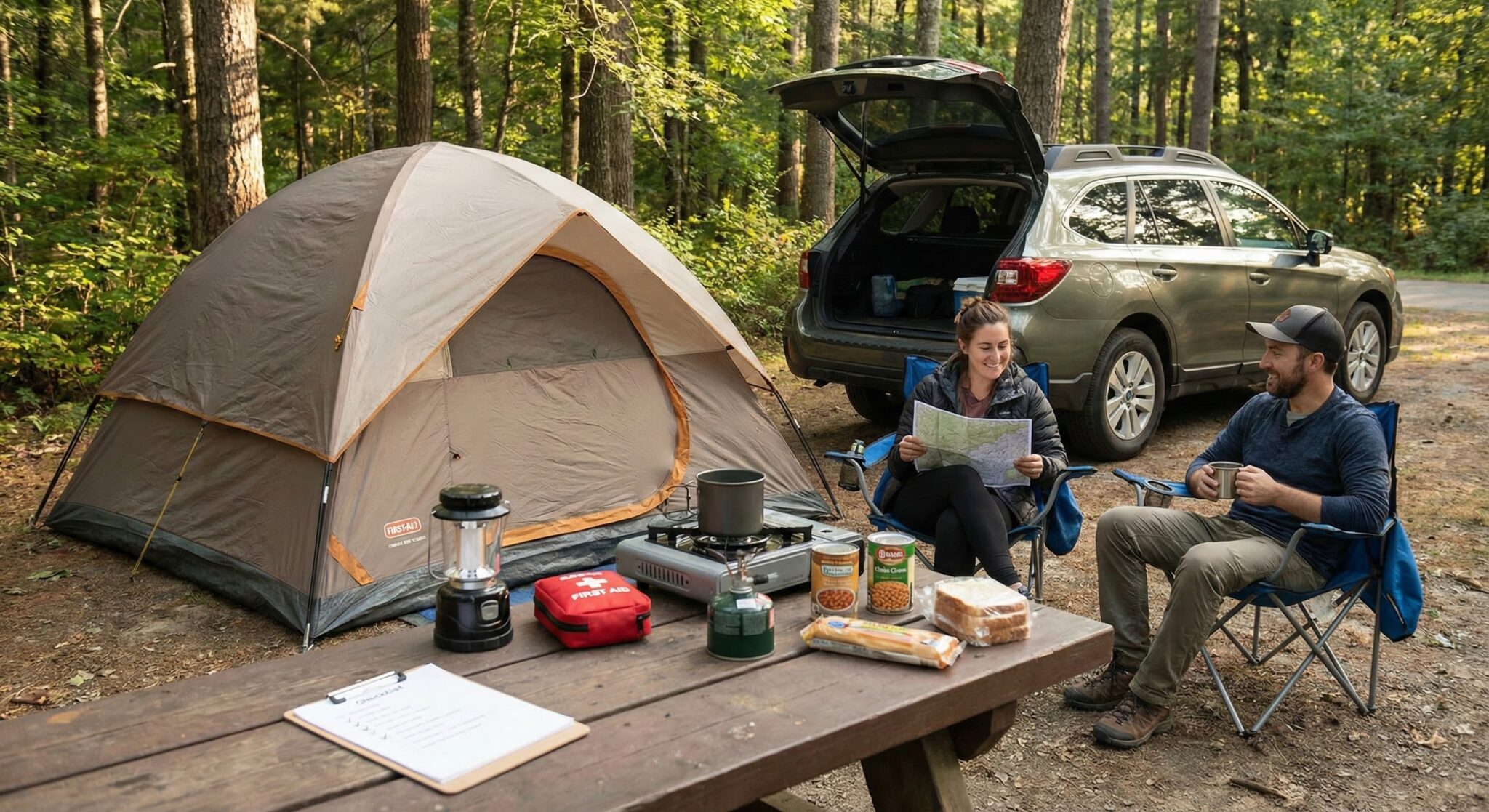
Car camping allows more flexibility, making it ideal for beginners.
Step 8: Understand Basic Camping Safety
Safety preparation is essential.
Basic safety steps:
- Inform someone about your trip
- Carry emergency contact information
- Pack a first aid kit
- Follow fire safety rules
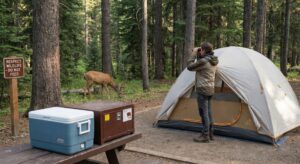
- Store food securely
Prepared campers reduce risks significantly.
Step 9: Learn Basic Camping Etiquette
Respecting nature and other campers is part of the experience.
Important etiquette rules:
- Keep noise levels low
- Leave no trash behind
- Respect wildlife
- Follow campsite rules
Good etiquette ensures a positive experience for everyone.
Step 10: Keep Expectations Realistic
First camping trips are learning experiences.
It is normal to:
- Feel uncomfortable at times
- Forget small items
- Make minor mistakes
Focus on learning, adapting, and enjoying nature.
Frequently Asked Questions
How long should a first camping trip be?
One or two nights is ideal for beginners.
Do I need expensive equipment?
No. Entry-level gear is sufficient for first-time campers.
Should beginners camp alone?
Camping with friends or family is recommended for the first trip.
Conclusion
Preparing for your first camping trip does not need to be complicated. With proper planning, simple gear, and realistic expectations, camping becomes an enjoyable and rewarding experience.
Following these steps helps beginners feel confident, prepared, and ready to enjoy the outdoors.