Camping is an exciting way to reconnect with nature, but for beginners, the experience can quickly become stressful without proper preparation. One of the most common mistakes new campers make is either forgetting essential items or bringing unnecessary equipment.
This guide provides a clear and practical camping gear checklist designed specifically for beginners. With the right gear, your camping experience will be safer, more comfortable, and far more enjoyable.
Why a Camping Gear Checklist Is Important
When camping, you are responsible for your own comfort, safety, and basic needs. Unlike hotels or vacation rentals, nature does not provide backup solutions.
A proper checklist helps you:
- Avoid missing critical items
- Pack efficiently
- Stay safe in changing weather conditions
- Reduce stress during your trip
- Enjoy the experience instead of fixing problems
For beginners, having a structured checklist is essential.
Shelter and Sleeping Essentials
Your shelter and sleeping setup are the foundation of a successful camping trip.
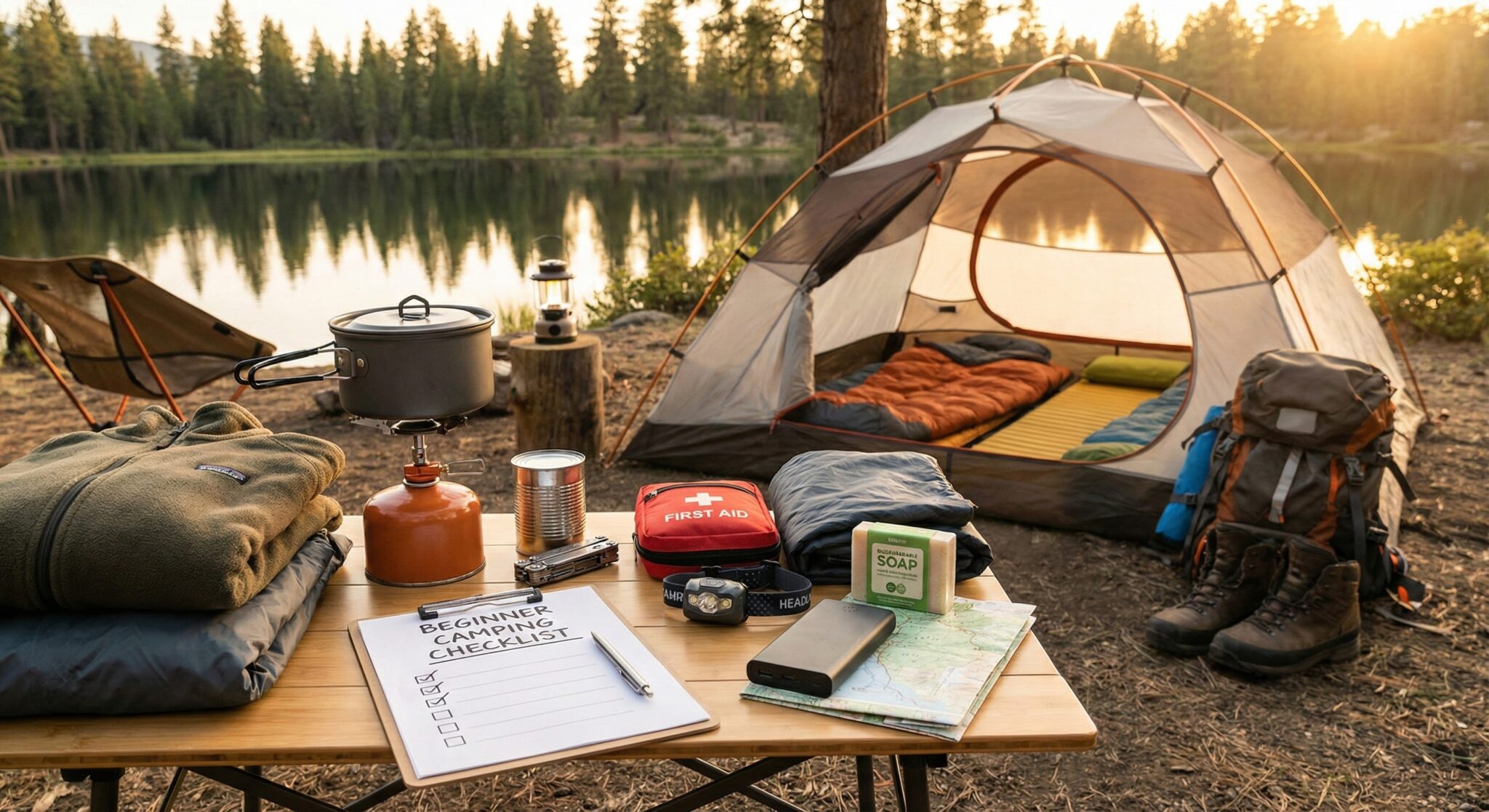
Must-have items:
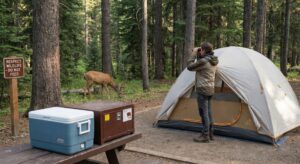
- Tent suitable for the season and number of people
- Tent stakes and guylines for stability
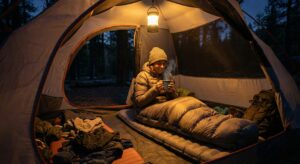
- Sleeping bag rated for the expected temperature
- Sleeping pad or air mattress for insulation and comfort
- Pillow or compressible travel pillow
A good sleeping system protects you from cold, moisture, and uneven ground.
Clothing and Personal Items
Camping requires clothing that is functional, not fashionable.
Recommended clothing:
- Weather-appropriate outerwear
- Moisture-wicking base layers
- Warm layers for evenings
- Comfortable hiking shoes
- Extra socks
- Rain jacket or poncho
- Hat and sunglasses
Always pack at least one extra set of clothes in case of rain or unexpected conditions.
Food and Cooking Equipment
Proper food planning ensures energy and comfort during your trip.
Essential cooking gear:
- Portable camping stove
- Fuel canisters
- Lighter or waterproof matches
- Cookware (pot, pan, or kettle)
- Reusable utensils and plates
- Cutting tool or multi-purpose knife
Food suggestions:
- Easy-to-cook meals
- Canned or dehydrated food
- Snacks such as nuts or energy bars
- Drinking water or water purification system
Keeping meals simple is ideal for beginners.
Lighting and Power Solutions
Once the sun sets, proper lighting becomes essential.
Recommended items:
- Headlamp or flashlight
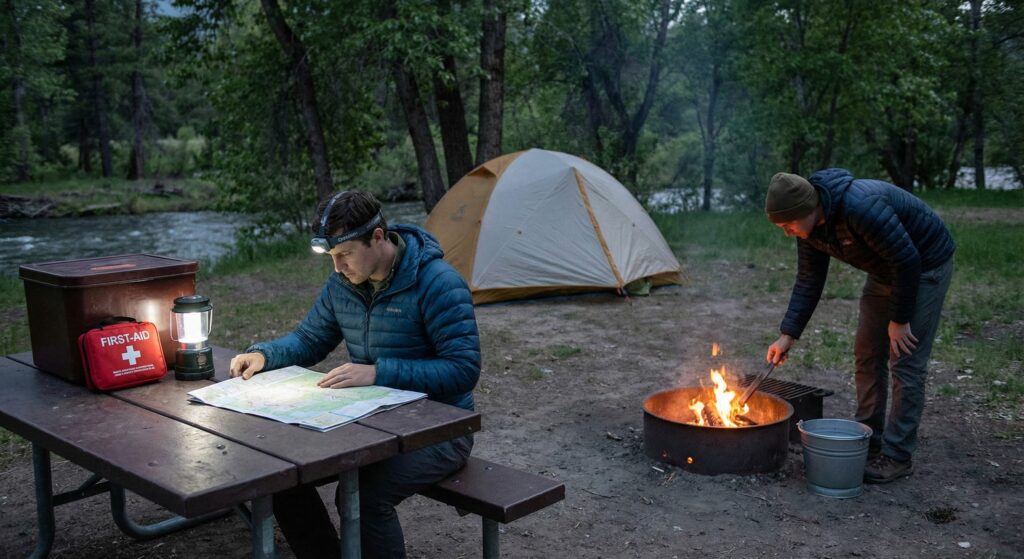
- Camping lantern
- Power bank
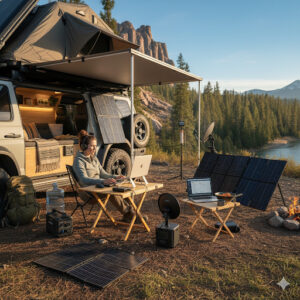
- Solar charger (optional)
Reliable lighting improves safety and comfort during nighttime activities.
Safety and First Aid Supplies
Safety should always be a priority when camping.
Basic safety items:
- First aid kit
- Personal medications
- Whistle or signal device
- Map or GPS device
- Emergency contact information
Being prepared for minor injuries or unexpected situations makes a significant difference.
Hygiene and Personal Care
Maintaining basic hygiene improves overall comfort.
Useful items:
- Biodegradable soap
- Toothbrush and toothpaste
- Wet wipes
- Towel
- Trash bags
Always leave your campsite clean and respect nature.
Optional but Helpful Gear
These items are not mandatory but can enhance your experience:
- Folding camping chair
- Portable table
- Backpack or gear organizer
- Notebook or journal
- Camera
Common Packing Mistakes to Avoid
Beginner campers often make these mistakes:
- Overpacking unnecessary items
- Forgetting weather-appropriate gear
- Ignoring safety equipment
- Bringing heavy or fragile items
- Failing to organize gear
A simple checklist prevents most of these issues.
Frequently Asked Questions
How many days should beginners camp?
One to two nights is ideal for a first experience.
Do I need expensive equipment?
No. Entry-level camping gear is sufficient for beginners.
Can I camp in any season?
Yes, but gear must match seasonal conditions.
Conclusion
Having the right camping gear is the key to a successful and enjoyable camping experience. For beginners, preparation matters more than experience. By following this essential camping gear checklist, you reduce risks, increase comfort, and focus on enjoying nature.
Camping becomes far more rewarding when you are well-prepared.