Camping gear is an investment, even at beginner level. Proper maintenance and care not only extend the lifespan of your equipment but also improve safety and performance during trips. Many beginners damage their gear simply by not knowing how to clean, store, or inspect it properly.
This guide explains practical camping gear maintenance and care tips that beginners can easily follow.
Why Camping Gear Maintenance Matters
Well-maintained gear provides:
- Better performance in outdoor conditions
- Increased safety and reliability
- Longer product lifespan
- Reduced replacement costs
Simple maintenance habits prevent most common gear problems.
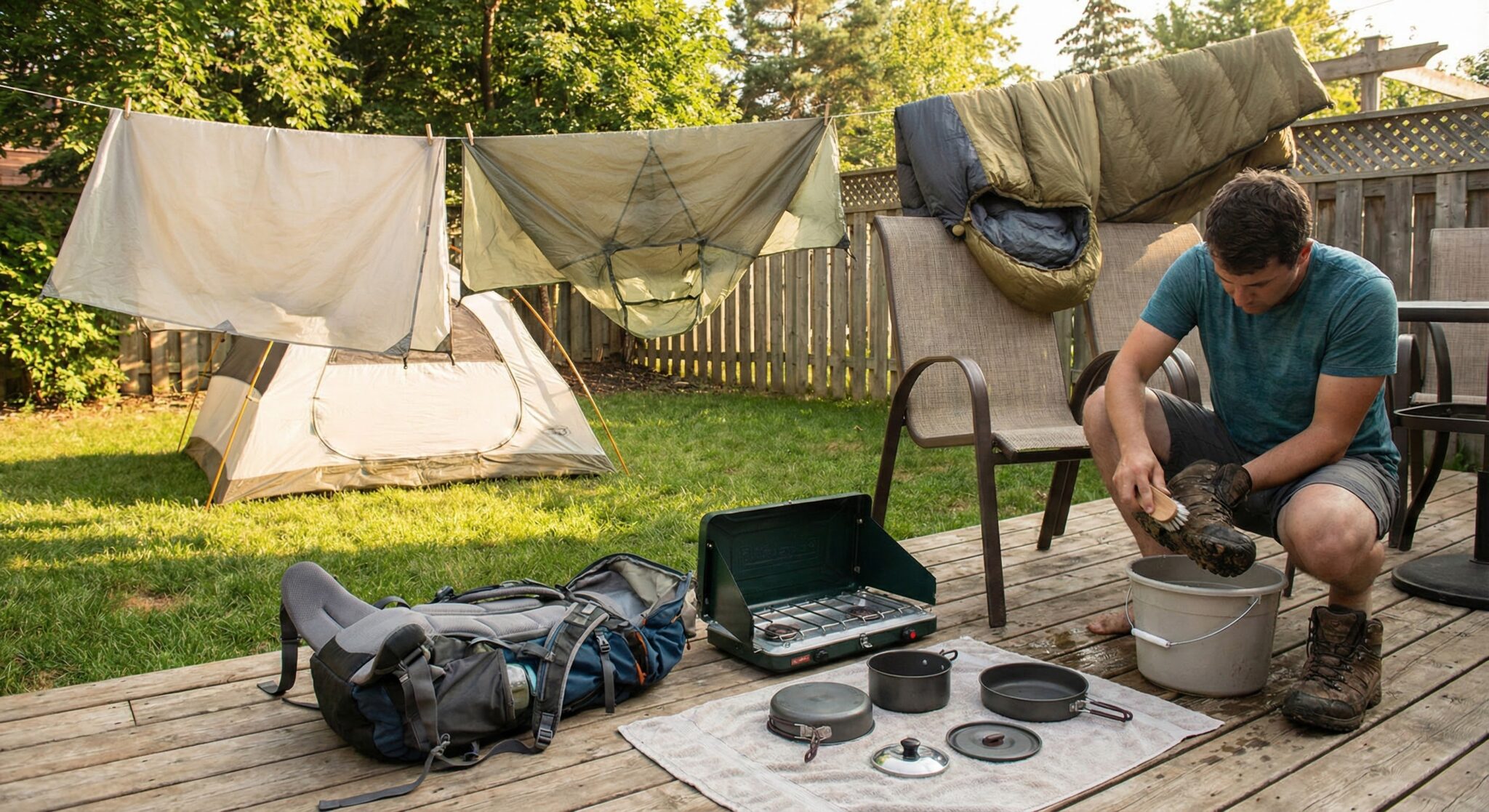
Cleaning Your Camping Gear After Each Trip
Cleaning gear after every trip is essential.
General cleaning tips:
- Remove dirt, sand, and debris
- Use mild soap and lukewarm water
- Avoid harsh detergents
- Allow gear to air-dry completely
Never store wet or dirty equipment.
Tent Care and Maintenance
Tents require special attention.
Tent care tips:
- Shake out dirt before packing
- Clean fabric gently with a sponge
- Dry completely before storage
- Store loosely in a breathable bag
Proper tent care prevents mold and fabric damage.
Sleeping Bag Care
Sleeping bags lose insulation when poorly maintained.
Best practices:
- Air out sleeping bags after use
- Wash only when necessary
- Use manufacturer-recommended cleaning methods
- Store uncompressed
Correct storage preserves warmth and comfort.
Sleeping Pad and Mattress Maintenance
Sleeping pads improve comfort and insulation.
Care tips:
- Clean surfaces after trips
- Check for leaks or damage
- Store flat or loosely rolled
Regular inspection prevents unexpected failures.
Backpack and Storage Equipment
Backpacks and storage systems carry your entire setup.
Maintenance guidelines:
- Empty and clean compartments
- Check zippers and straps
- Repair small tears early
Functional storage equipment improves efficiency and safety.
Cooking Gear Maintenance
Clean cooking gear ensures food safety.
Tips:
- Wash cookware immediately after use
- Dry thoroughly to prevent rust
- Store fuel separately
- Inspect stoves regularly
Clean cooking gear reduces contamination risks.
Clothing and Footwear Care
Outdoor clothing and shoes need proper care.
Best practices:
- Wash according to care labels
- Avoid fabric softeners
- Air-dry when possible
- Clean and dry footwear completely
Proper care maintains waterproofing and durability.
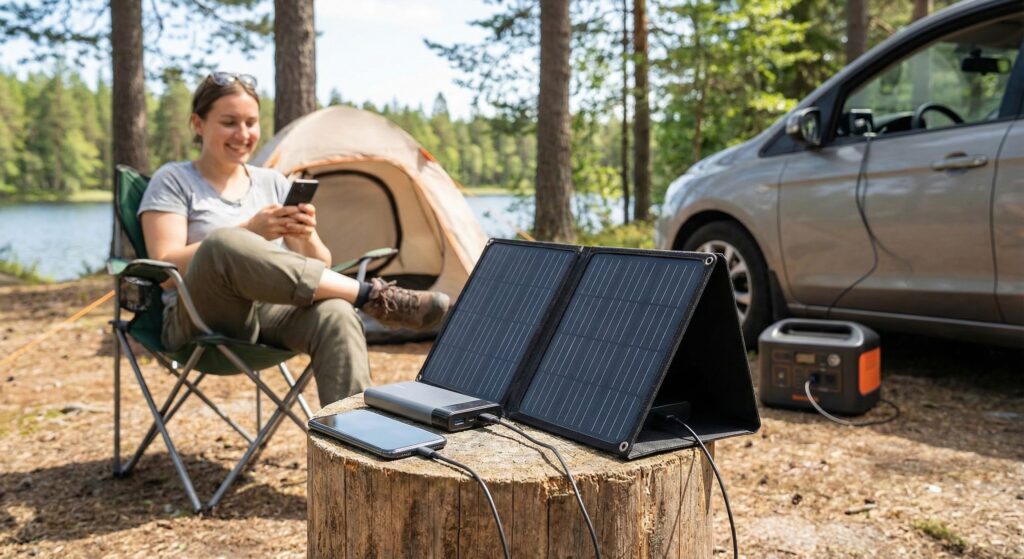
Electronics and Power Equipment
Electronics require special handling outdoors.
Care tips:
- Keep devices dry
- Clean charging ports gently
- Store batteries properly
- Avoid extreme temperatures
Proper care prevents damage and power failure.
Storage Tips Between Trips
Off-season storage affects gear lifespan.
Storage guidelines:
- Choose dry, cool areas
- Avoid direct sunlight
- Keep gear organized
- Check gear periodically
Good storage habits prevent deterioration.
Common Maintenance Mistakes Beginners Make
Typical mistakes include:
- Storing wet gear
- Using harsh cleaning products
- Ignoring minor damage
- Compressing gear long-term
Avoiding these mistakes saves money and frustration.
Frequently Asked Questions
How often should camping gear be cleaned?
After every trip, with deeper cleaning when needed.
Can gear be machine washed?
Some items can, but always follow manufacturer instructions.
Is gear maintenance time-consuming?
No. Simple routines take only a few minutes.
Conclusion
Camping gear maintenance does not require advanced skills or expensive products. With basic cleaning, proper storage, and regular inspection, beginners can keep their equipment in excellent condition for years.
Well-maintained gear leads to safer, more enjoyable camping experiences.