Packing efficiently is one of the most valuable skills for beginner campers. Overpacking creates unnecessary stress, while underpacking can lead to discomfort or safety issues. Learning how to pack smartly helps campers stay organized, travel lighter, and enjoy the experience more fully.
This guide explains how beginners can pack efficiently for a camping trip using simple and practical strategies.
Why Efficient Packing Matters in Camping
Efficient packing affects:
- Comfort and mobility
- Setup and cleanup time
- Organization at the campsite
- Overall stress levels
A well-packed bag makes camping more enjoyable and less exhausting.
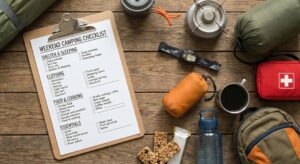
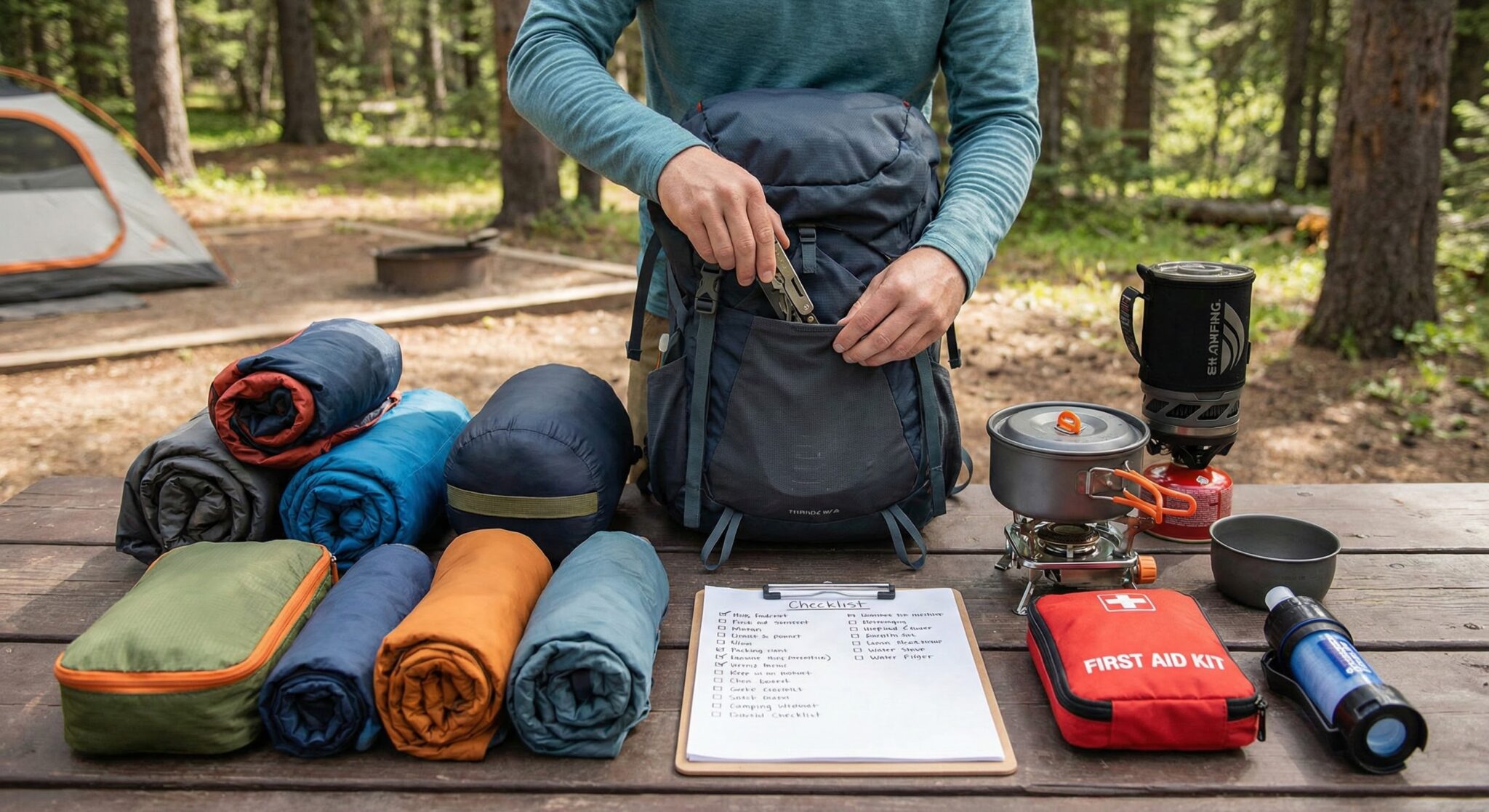
Start With a Packing List
A packing list is the foundation of efficient packing.
Benefits of using a list:
- Prevents forgotten essentials
- Reduces unnecessary items
- Improves organization
Always customize your list based on trip length and weather.
Pack by Categories, Not Randomly
Organizing items by category improves efficiency.
Common categories include:
- Shelter and sleeping gear
- Clothing
- Food and cooking supplies
- Hygiene and health
- Safety and electronics
Categorized packing makes items easier to find.
Choose Multi-Purpose Items
Multi-purpose gear reduces overall weight.
Examples:
- Clothing suitable for day and night
- Cooking tools with multiple uses
- Power banks that charge multiple devices
Choosing versatile items saves space and weight.
Roll Clothing Instead of Folding
Rolling clothing is a simple but effective technique.
Advantages:
- Saves space
- Reduces wrinkles
- Improves visibility
Packing cubes further improve clothing organization.
Pack Heavier Items at the Bottom
Proper weight distribution improves comfort.
Guidelines:
- Place heavy items near the bottom and center
- Keep frequently used items accessible
- Balance weight evenly
Good weight distribution prevents strain and discomfort.
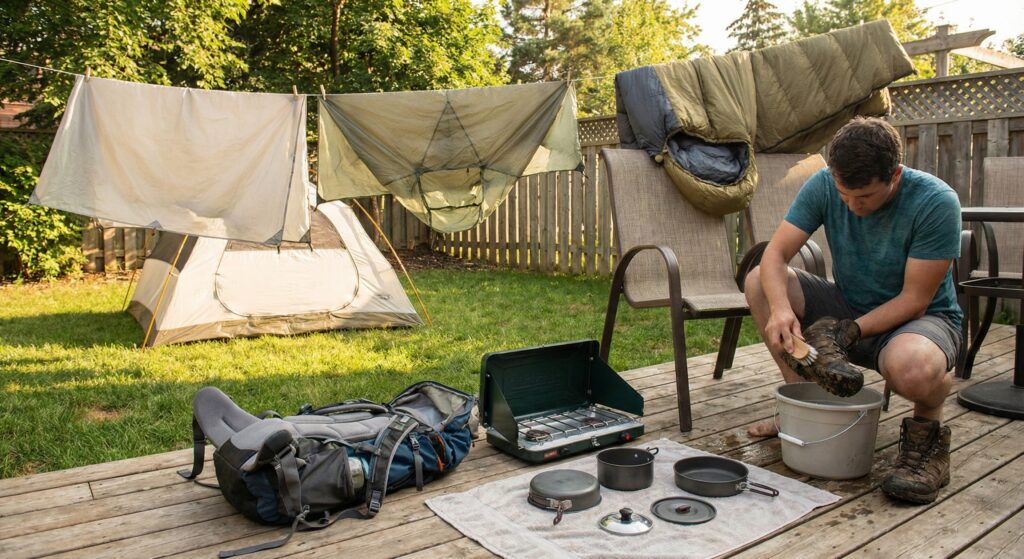
Separate Clean and Dirty Items
Keeping clean and dirty items separate maintains hygiene.
Tips:
- Use separate bags for dirty clothes
- Seal wet or muddy items
- Keep hygiene items isolated
This prevents contamination and odors.
Prepare for Weather Changes
Weather can change unexpectedly.
Smart packing includes:
- Extra warm layer
- Rain protection
- Spare socks
Weather preparedness prevents discomfort.
Minimize “Just in Case” Items
Overpacking often comes from fear of forgetting something.
Strategies:
- Pack essentials first
- Add only necessary extras
- Avoid duplicates
Experience helps reduce unnecessary items over time.
Pack Safety and Essentials Last
Safety items should always be accessible.
Examples:
- First aid kit
- Flashlight or headlamp
- Phone and power bank
- Emergency contacts
Easy access improves response in emergencies.
Do a Final Pack Review
Review your packed items before departure.
Final check tips:
- Remove unused items
- Confirm essentials are included
- Adjust based on trip duration
A final review ensures nothing important is missed.
Common Packing Mistakes Beginners Make
Typical mistakes include:
- Overpacking clothing
- Forgetting small essentials
- Poor weight distribution
- Disorganized packing
Awareness helps avoid these issues.
Frequently Asked Questions
How much should a beginner pack?
Only essentials plus one backup item for critical needs.
Are packing cubes necessary?
They are optional but very helpful for organization.
Does efficient packing improve camping comfort?
Yes. It reduces stress and improves mobility.
Conclusion
Efficient packing is a skill that improves with practice. By planning ahead, organizing items, choosing versatile gear, and packing thoughtfully, beginners can enjoy a smoother and more comfortable camping experience.
Smart packing allows campers to focus on nature and relaxation rather than managing unnecessary gear.