For many people who want to spend time immersed in nature, camping means both freedom and tranquillity. However, for those camping for the first time, this process can be challenging if not planned correctly. This guide covers all the essential points that camping beginners need to know in a simple, clear and systematic way.
What is Camping and Why is it Preferred?
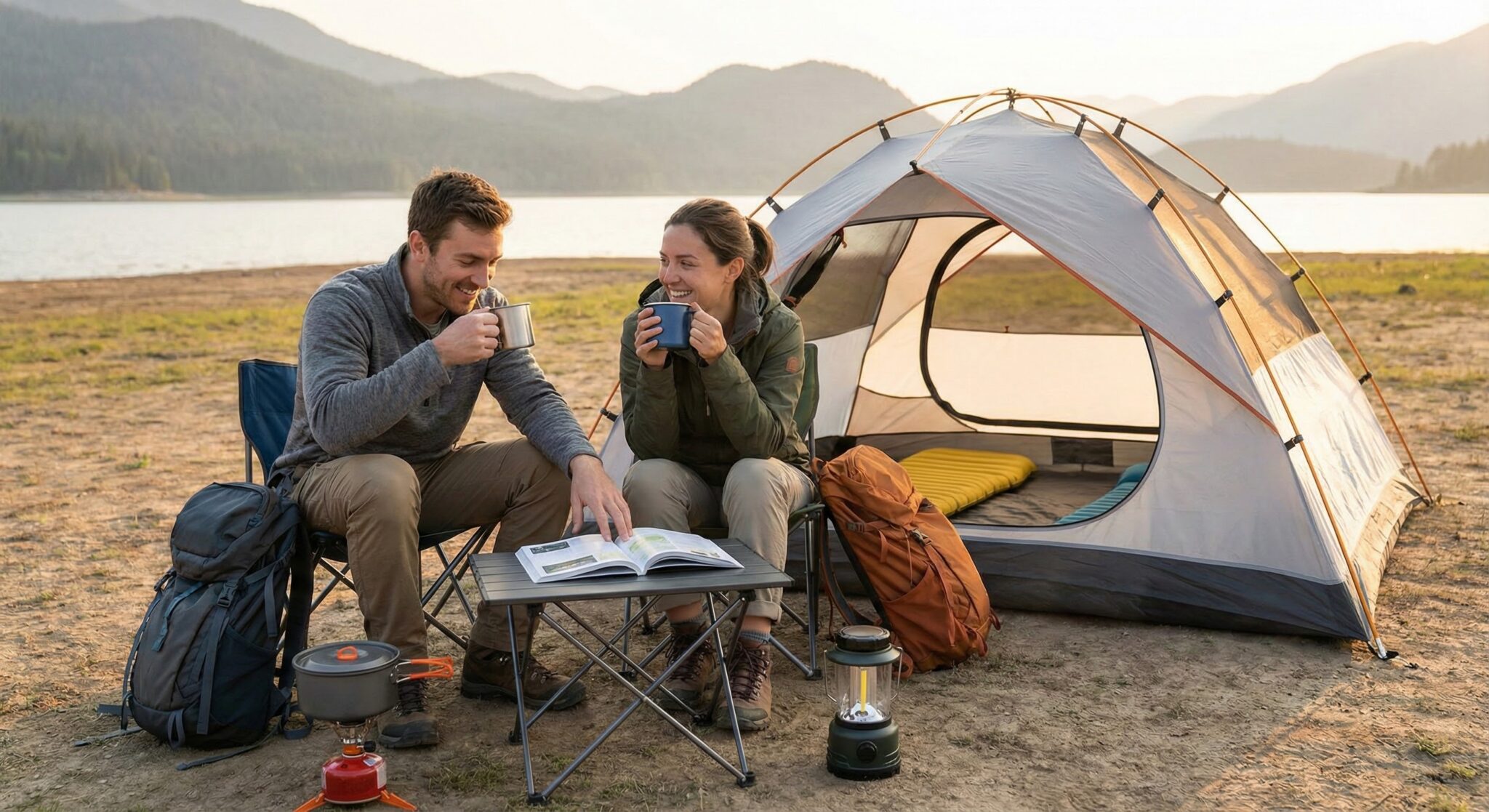
Camping is a way of life that involves temporary accommodation in nature. It offers people the opportunity to get away from the stress of city life, connect with nature and renew themselves mentally.
The main advantages of camping are:
- Direct contact with nature
- Holiday opportunities on a low budget
- Physical and mental relaxation
- Opportunity for a digital detox
- Sense of freedom
Things to Know Before Starting to Camp
It is important to know some basic things before your first camping experience. Unplanned camping can cause problems in terms of both safety and comfort.
1. Decide on the Type of Camping
Recommended types of camping for beginners:
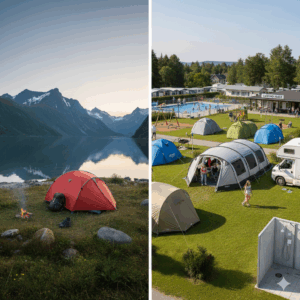
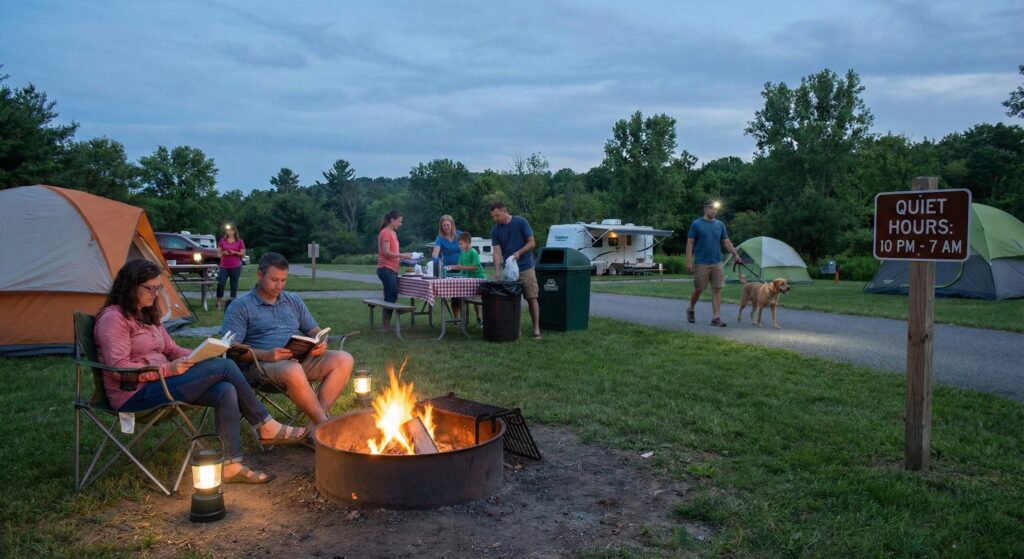
- Camping at a campsite (with facilities)
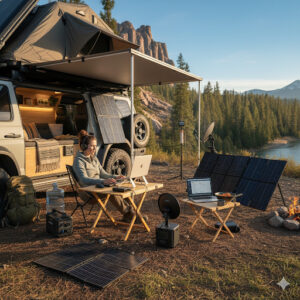
- Roof-top camping
- Day trip nature camping
‘Wild camping,’ which is for advanced campers, is not recommended for beginners.
Essential Camping Equipment
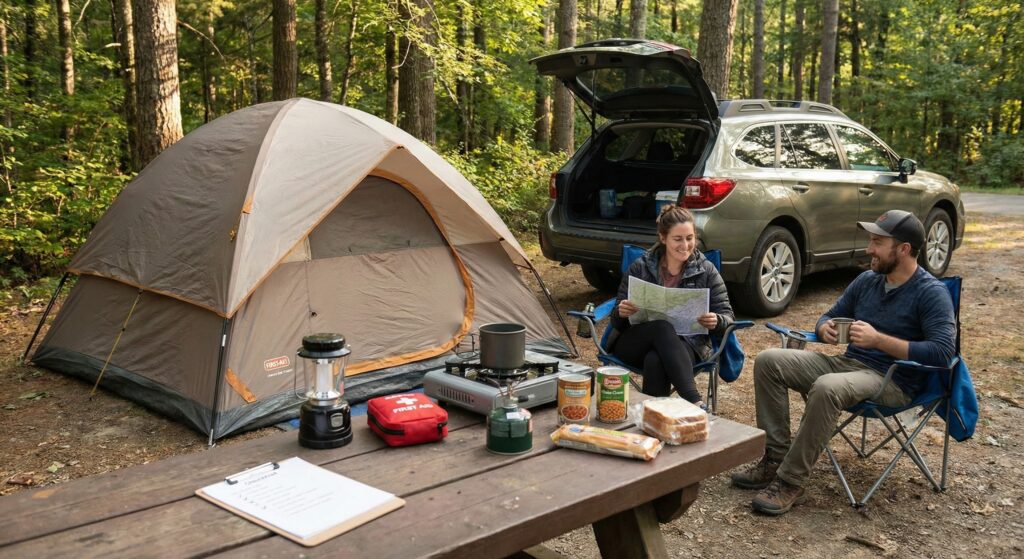
Certain equipment is essential for a smooth camping experience.
List of basic camping equipment:
- Tent
- Sleeping bag
- Mat or inflatable mattress
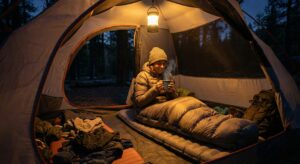
- Camping lamp or headlamp
- Powerbank or portable power source
- First aid kit
- Multi-purpose knife
- Water bottle
- Raincoat
- Spare clothing
This equipment is sufficient for a safe and comfortable beginner-level camping trip.
Things to Consider When Choosing a Campsite
Choosing the right campsite directly affects the quality of the experience.
The main criteria to consider are:
- Proximity to a water source
- Flat ground
- Areas sheltered from the wind
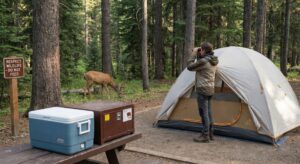
- Low risk of wild animals
- Mobile phone signal strength
- Official or authorised camping area
For your first camp, areas belonging to the local council or national park authorities are recommended.
Safety Precautions When Camping
Safety is the most critical aspect of camping.
Essential precautions to take:
- Choose your campsite according to the weather conditions
- Keep your fire under control
- Do not leave food out in the open
- Carry a torch or headlamp at night
- Share your location in case of an emergency
- Be familiar with first aid
These precautions significantly reduce potential risks.
Eating and Drinking While Camping
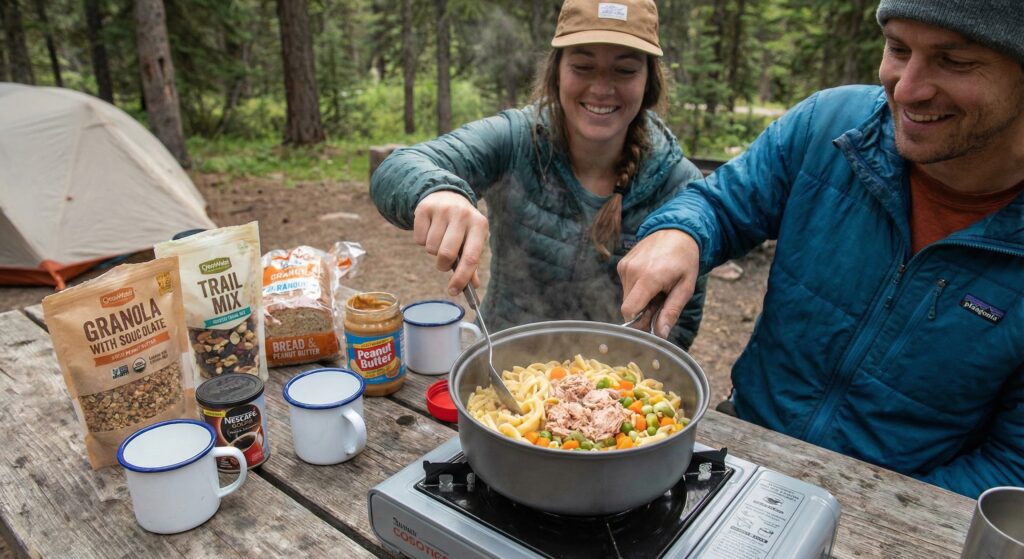
Camping cuisine should be practical. Foods that are easy to prepare and have a long shelf life should be preferred.
Recommended camping foods for beginners:
- Canned goods
- Ready-made soups
- Pasta
- Tuna
- Nuts
- Energy bars
- Thermos tea or coffee
In addition, a portable camping stove provides great convenience.
Electricity and Charging Issues During Camping
Electricity is often limited in nature. Therefore, the following solutions are preferred:
- High-capacity power banks
- Solar-powered charging devices
- Car cigarette lighter socket
- Portable power stations
This equipment allows phones, torches, and small devices to function.
Common Mistakes When Camping
The most common mistakes made by beginners are:
- Taking too many items
- Not checking the weather
- Not bringing enough clothing
- Underestimating safety
- Not leaving the campsite clean
Avoiding these mistakes makes the camping experience much more enjoyable.
Advantages of Camping
Camping is not just a holiday, it is also an activity that improves quality of life.
The main benefits are:
- Reduces stress
- Connects you with nature
- Increases physical activity
- Improves focus
- Strengthens social bonds
Frequently Asked Questions
Is camping dangerous?
No, if the right equipment and precautions are taken. Planned camping is safe.
How many days should first-time campers stay?
1–2 days is ideal. The duration can be extended as experience increases.
Is expensive equipment required for camping?
No. Beginner-level equipment is sufficient.
Can camping be done in all seasons?
Yes, but season-appropriate equipment is essential.
Conclusion
Camping is a nature activity that anyone can easily experience with the right information and preparation. The information in this guide provides a solid starting point, especially for first-time campers. The right equipment, choosing a safe location, and planning ahead make the camping experience enjoyable and hassle-free.