Camping is a learning process. Even with good preparation, beginners often make small but impactful mistakes that affect comfort, safety, and overall enjoyment. The good news is that most camping mistakes are common, predictable, and easy to avoid once you know what to watch for.
This guide outlines the most common camping mistakes beginners make and explains how to avoid them.
Why Beginners Make Camping Mistakes
Camping involves unfamiliar environments, new routines, and equipment handling.
Mistakes usually happen because:
- Lack of experience
- Overconfidence or underconfidence
- Poor planning
- Misunderstanding outdoor conditions
Recognizing these patterns helps beginners improve quickly.
Packing Too Much or Too Little
Packing mistakes are extremely common.
Overpacking:
- Creates unnecessary weight
- Causes clutter and stress
- Slows setup and packing
Underpacking:
- Leads to discomfort
- Can create safety issues
How to avoid it:
Use a checklist and focus on essentials with one backup item.
Choosing the Wrong Campsite
Location mistakes affect the entire trip.
Common issues:
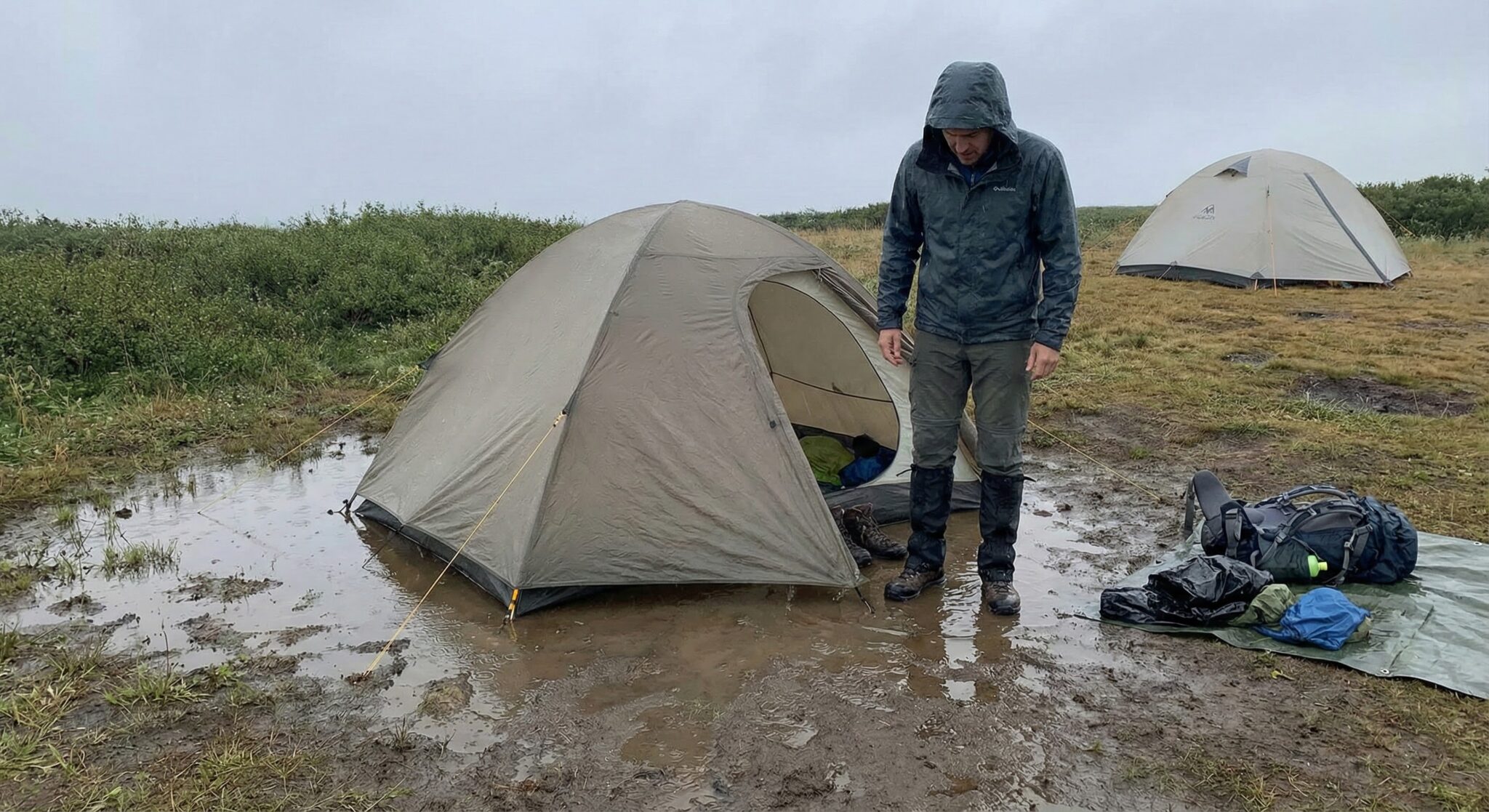
- Camping in low-lying areas
- Ignoring weather exposure
- Choosing sites too far from help
How to avoid it:
Select designated, accessible campsites, especially for first trips.
Ignoring Weather Forecasts
Weather can change rapidly outdoors.
Mistakes include:
- Not checking forecasts
- Packing for ideal conditions only
- Underestimating rain or cold
How to avoid it:
Check weather updates before departure and pack for changes.
Setting Up Camp Too Late
Arriving late creates unnecessary stress.
Problems caused by late setup:
- Poor tent placement
- Reduced daylight
- Increased fatigue
How to avoid it:
Arrive early and set up camp in daylight whenever possible.
Improper Tent Setup
A poorly set tent leads to discomfort.
Common tent mistakes:
- Loose rainfly
- Improper stake placement
- Poor ventilation
How to avoid it:
Practice setting up your tent at home before your trip.
Poor Food Planning
Food issues quickly affect morale.
Mistakes include:
- Complicated meals
- Insufficient food
- Poor storage
How to avoid it:
Plan simple meals and bring easy snacks.
Neglecting Hygiene
Hygiene is often underestimated.
Common hygiene mistakes:
- Skipping handwashing
- Wearing dirty clothing
- Poor waste management
How to avoid it:
Pack basic hygiene items and maintain simple routines.
Mismanaging Campfires
Campfire mistakes can be dangerous.
Issues include:
- Unattended fires
- Excessive fire size
- Ignoring fire bans
How to avoid it:
Follow local rules and keep fires small and controlled.
Overestimating Physical Ability
Camping can be physically demanding.
Mistakes include:
- Planning long hikes immediately
- Carrying excessive weight
- Ignoring fatigue
How to avoid it:
Start slow and build endurance gradually.
Not Having a Backup Plan
Unexpected issues happen outdoors.
Lack of backup plans leads to stress when:
- Weather changes
- Equipment fails
- Plans need adjustment
How to avoid it:
Prepare simple alternatives and stay flexible.
Learning From Mistakes Is Part of Camping
Mistakes are valuable learning experiences.
Over time:
- Packing becomes more efficient
- Setup becomes faster
- Decision-making improves
Experience turns mistakes into skills.
Frequently Asked Questions
Do all beginners make mistakes?
Yes. Mistakes are part of learning to camp.
Can mistakes ruin a camping trip?
Small mistakes rarely ruin trips if handled calmly.
How quickly do beginners improve?
Most campers improve significantly after a few trips.
Conclusion
Camping mistakes are normal, especially for beginners. By understanding common errors and learning how to avoid them, new campers can improve safety, comfort, and enjoyment with each trip.
Awareness, preparation, and flexibility are the keys to successful camping experiences.