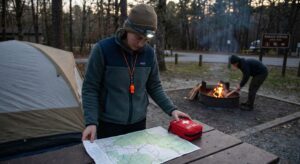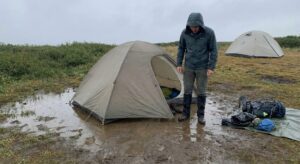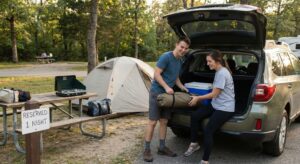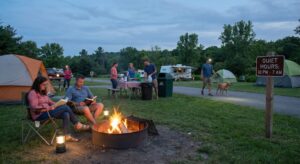
Camping alone can be a peaceful and empowering experience, but for beginners, it also raises important safety questions. Solo camping is not inherently dangerous, yet it requires a higher level of preparation, awareness, and responsibility compared to group camping.
This guide explains whether beginners can camp alone safely and what precautions should be taken before attempting a solo camping trip.
Is Solo Camping Safe for Beginners?
Solo camping can be safe, but it depends on several factors:
- Experience level
- Location choice
- Preparation and planning
- Awareness of risks
For absolute beginners, solo camping is not recommended as a first experience. Gaining basic camping skills with others first is the safer approach.
Benefits of Camping Alone
Camping alone offers unique advantages:
- Complete independence
- Quiet and uninterrupted time in nature
- Personal growth and confidence building
- Flexible schedules and decisions
These benefits appeal to many campers once they gain basic experience.
Risks of Solo Camping
Understanding risks is essential before camping alone.
Potential risks include:
- Injuries without immediate help
- Sudden weather changes
- Wildlife encounters
- Navigation errors
- Equipment failure
Being alone means there is no backup if something goes wrong.
Choose the Right Location for Solo Camping
Location choice is critical for solo campers.
Recommended locations:
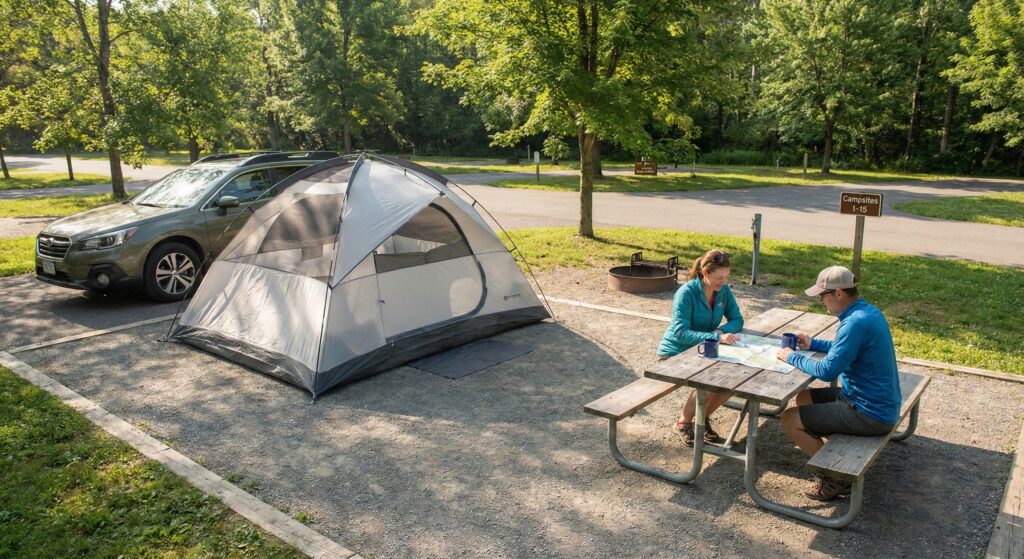
- Designated campsites
- Areas with mobile phone coverage
- Campsites close to ranger stations
- Well-marked trails
Remote or wilderness areas should be avoided by beginners.
Preparation Is More Important When Camping Alone
Solo campers must prepare more thoroughly.
Key preparation steps:
- Research the area in detail
- Check weather forecasts carefully
- Pack extra safety supplies
- Test all equipment beforehand
Preparation reduces uncertainty and increases confidence.
Essential Safety Gear for Solo Camping
Certain items become more important when camping alone.
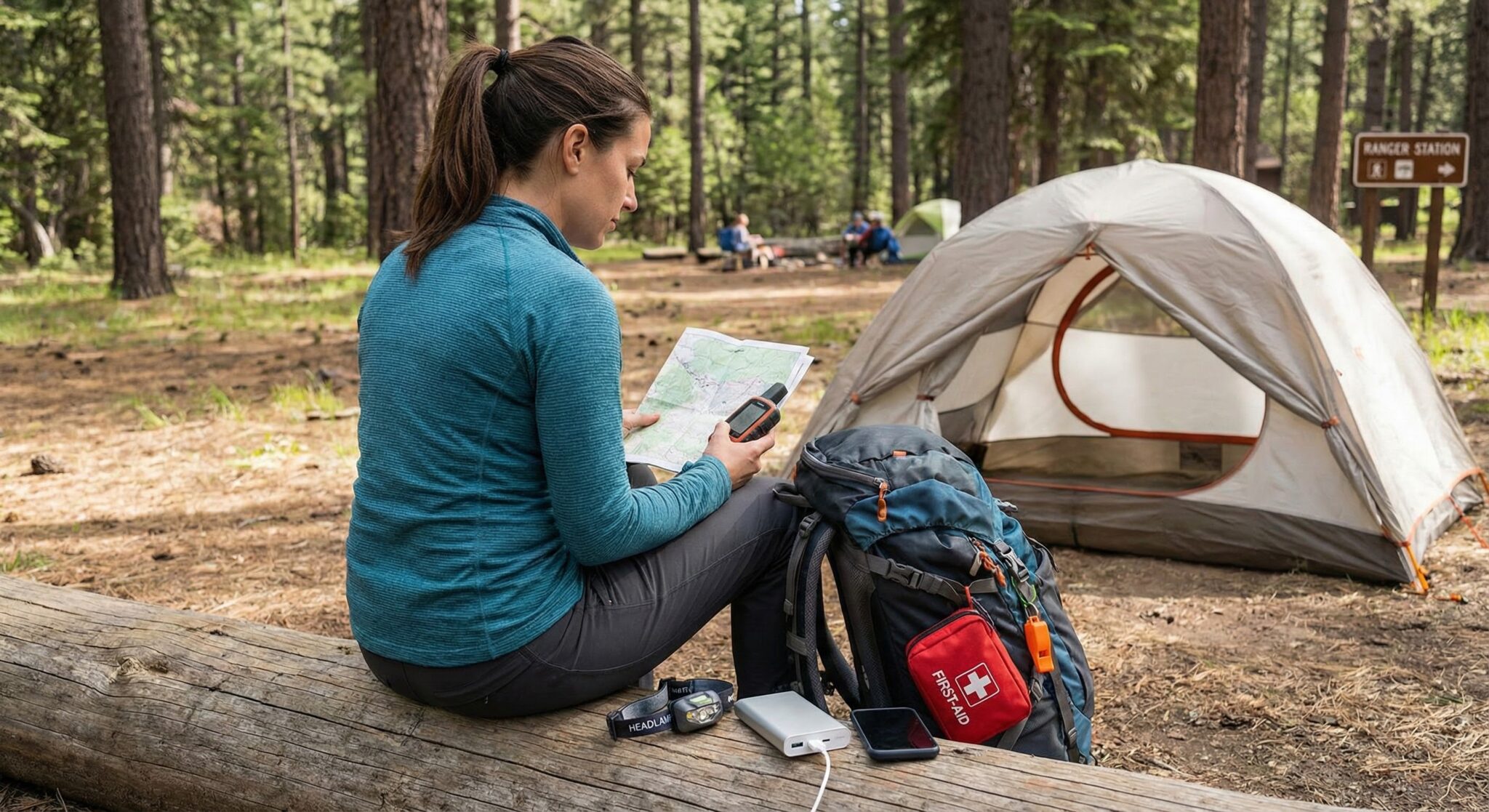
Recommended safety gear:
- First aid kit
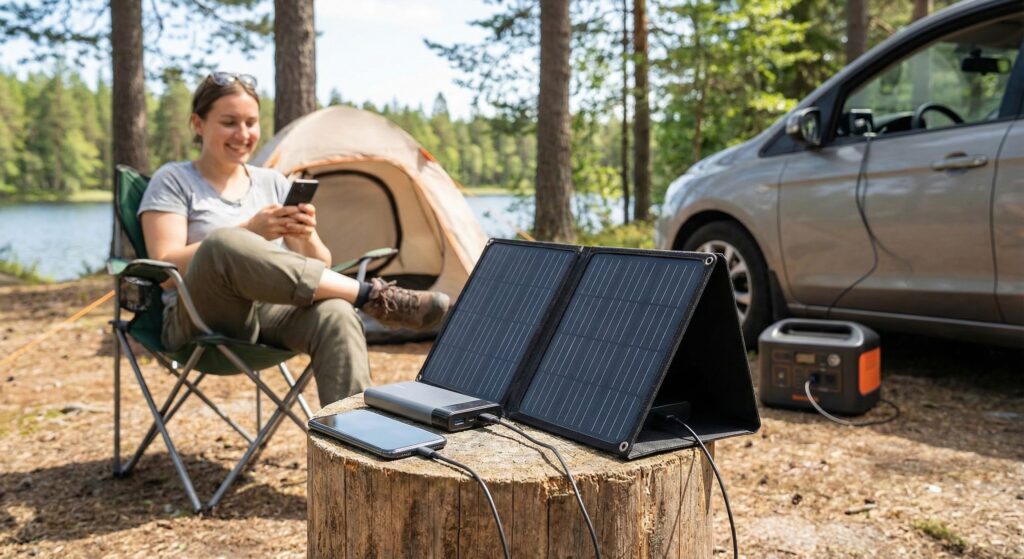
- Fully charged phone and power bank
- Headlamp with extra batteries
- Whistle or signaling device
- Map or GPS
These items help manage emergencies independently.
Inform Someone About Your Plans
Never camp alone without informing someone.
Share the following details:
- Camping location
- Trip duration
- Expected return time
This simple step is crucial for emergency situations.
Trust Your Instincts
Situational awareness matters greatly when camping alone.
Important habits:
- Pay attention to surroundings
- Avoid risky situations
- Leave the campsite if something feels wrong
Listening to your instincts can prevent many problems.
Avoid High-Risk Activities
When camping alone, avoid unnecessary risks.
Activities to avoid:
- Night hiking
- Exploring unfamiliar terrain
- Risky climbing or swimming
- Handling wildlife
Staying conservative improves safety significantly.
Mental Preparedness for Solo Camping
Being alone in nature can feel different at night.
Mental preparation tips:
- Expect unfamiliar sounds
- Stay calm and rational
- Bring a book or music for comfort
Understanding that fear is often psychological helps manage it.
Common Mistakes Beginners Make When Camping Alone
Beginners often:
- Choose isolated locations
- Overestimate their skills
- Ignore weather warnings
- Fail to communicate plans
Avoiding these mistakes improves solo camping safety.
Frequently Asked Questions
Can beginners camp alone safely?
It is possible, but only after gaining basic camping experience with others.
Is solo camping more dangerous than group camping?
Yes, because there is no immediate assistance if problems occur.
How long should a first solo camping trip be?
One night is recommended for a first solo experience.
Conclusion
Camping alone can be safe and rewarding when done responsibly. For beginners, solo camping should only be attempted after learning basic camping skills and choosing safe, accessible locations.
With proper preparation, communication, and caution, solo camping becomes a manageable and enriching experience.