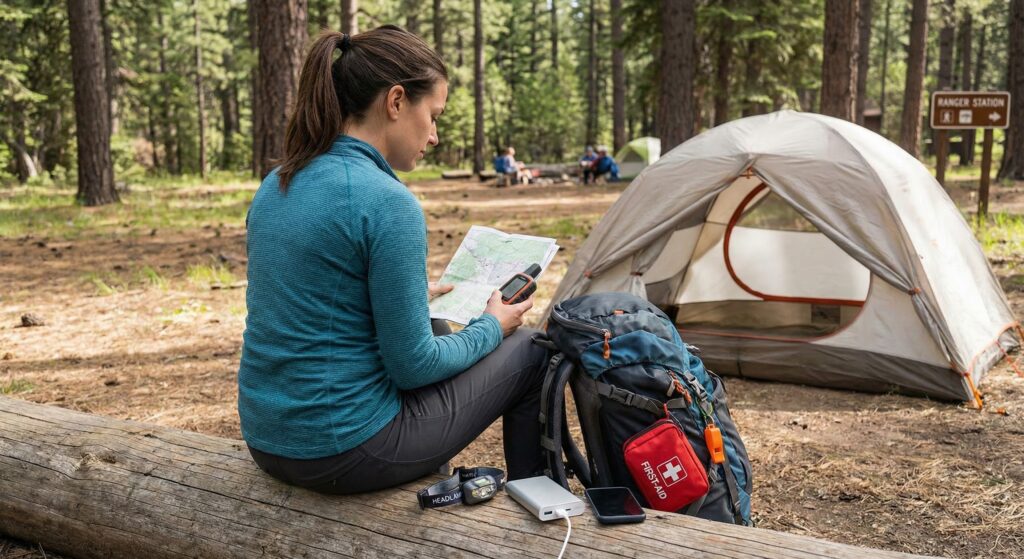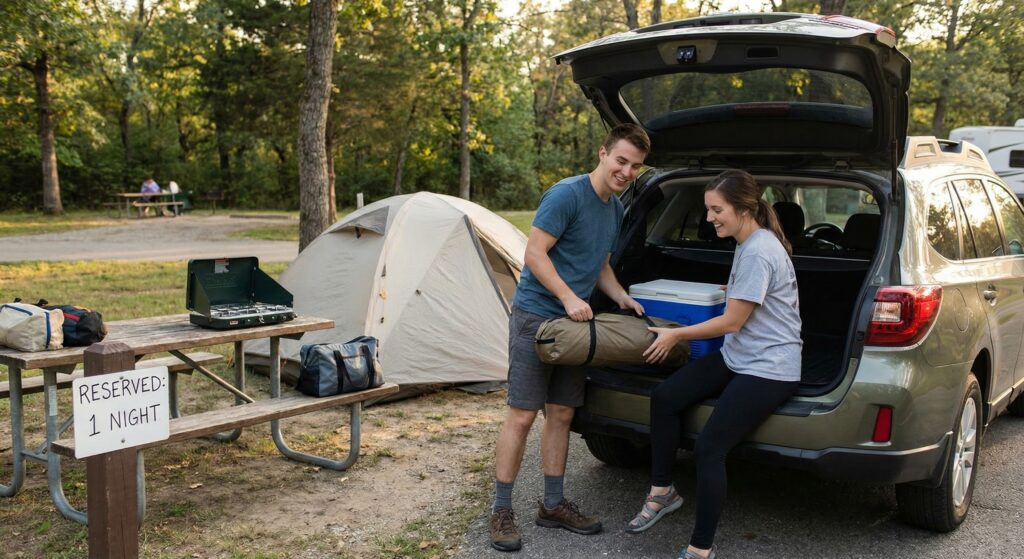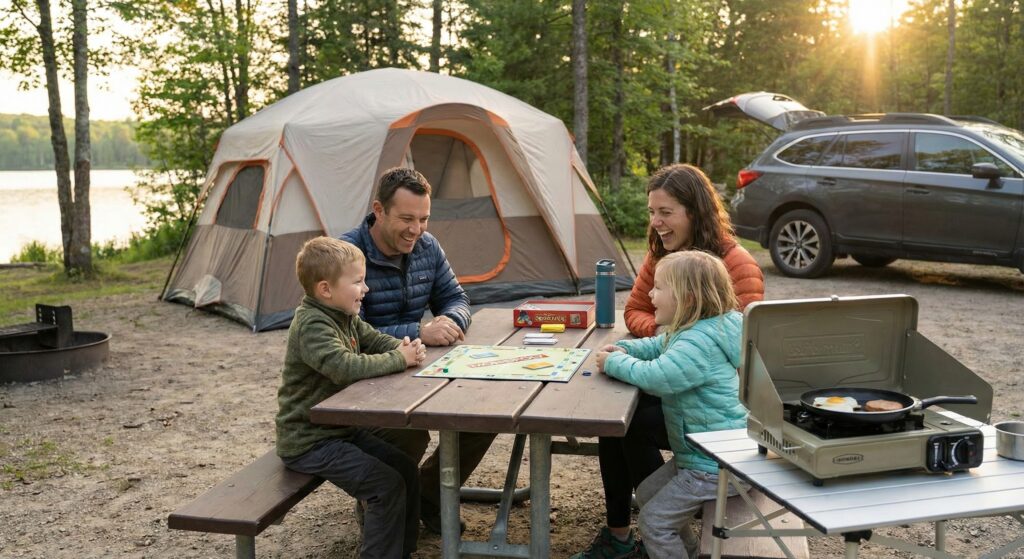
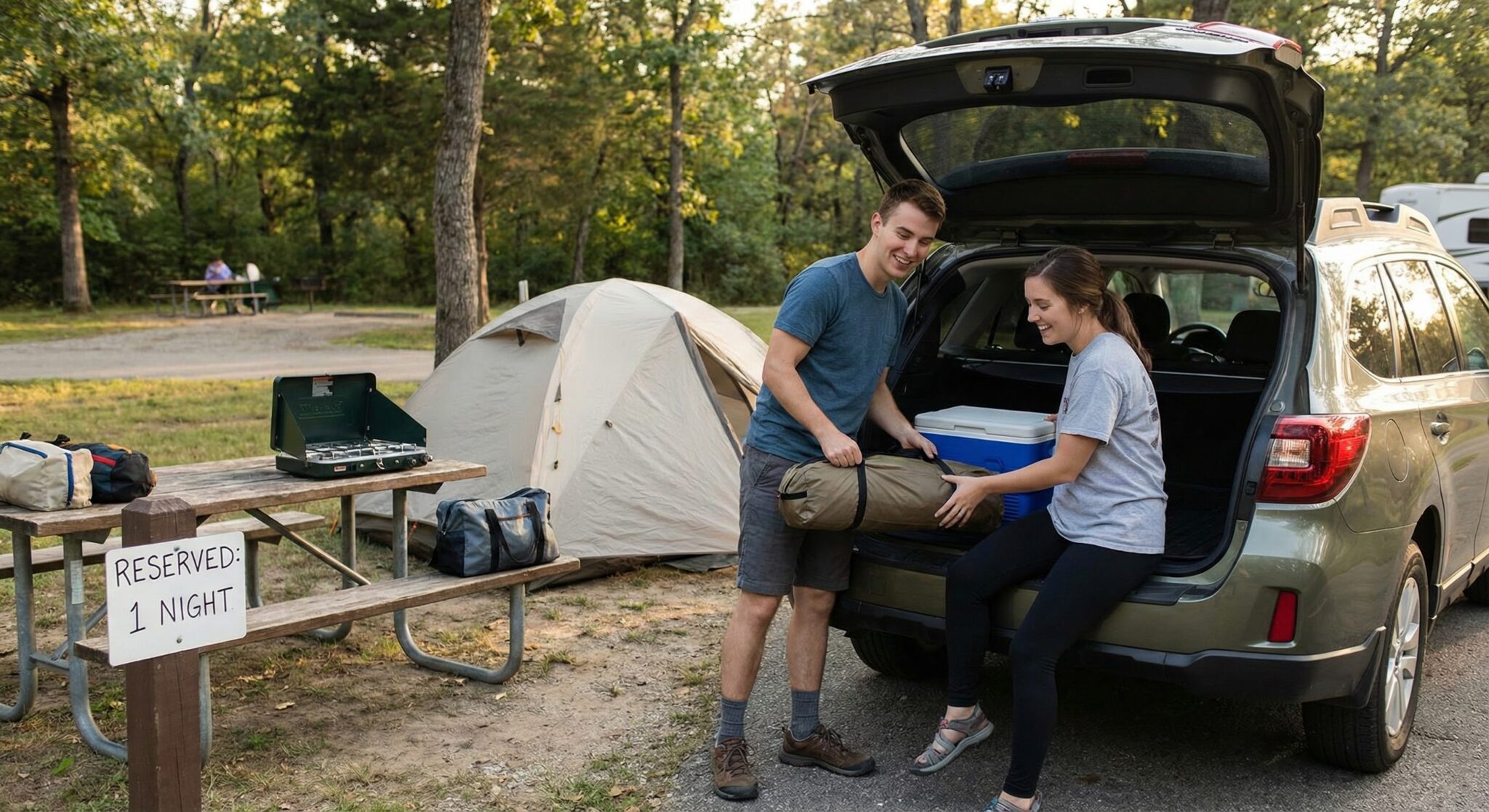
One of the most common questions beginners ask is how long their first camping trip should be. Camping is exciting, but staying too long without experience can lead to fatigue, discomfort, and frustration. Choosing the right trip length helps beginners enjoy camping while building confidence and skills gradually.
This guide explains how beginners can determine the ideal camping trip length based on experience, comfort, and safety.
Why Trip Length Matters for Beginners
Camping requires adjustment to new routines and environments.
Trip length affects:
- Physical comfort
- Mental fatigue
- Equipment management
- Overall enjoyment
Starting with the right duration helps beginners avoid burnout and negative experiences.
One-Night Camping Trips: The Best Starting Point
For most beginners, a one-night trip is ideal.
Advantages:
- Low commitment
- Easy to manage
- Quick learning experience
- Less pressure
One night allows beginners to test equipment and routines without feeling overwhelmed.
Two-Night Camping Trips: Building Confidence
After a successful one-night trip, beginners can try two nights.
Benefits:
- More time to relax
- Better understanding of routines
- Improved confidence
- Opportunity to adjust plans
Two-night trips offer a balanced experience without excessive fatigue.
When Longer Trips Make Sense
Longer trips should be attempted gradually.
Consider longer trips when:
- You feel comfortable with basic camping tasks
- You manage gear efficiently
- You understand weather and campsite needs
- You enjoy overnight routines
Experience should guide trip length decisions.
Factors That Influence Ideal Camping Duration
Several factors determine how long beginners should camp.
Experience Level
Less experience = shorter trips.
Campsite Accessibility
Easily accessible sites allow longer stays.
Weather Conditions
Unpredictable weather favors shorter trips.
Physical Fitness
Camping requires energy and stamina.
Companions
Group camping can support longer stays.
Camping With Kids or First-Time Campers
Families and groups of beginners should start conservatively.
Recommendations:
- One night for first trips
- Simple campsites
- Familiar environments
Gradual progression ensures positive experiences for everyone.
Signs That a Trip Is Too Long
Beginners may notice signs of fatigue.
Warning signs include:
- Poor sleep
- Irritability
- Disorganization
- Loss of enjoyment
Ending a trip early is better than pushing through discomfort.
Planning Rest and Flexibility
Flexibility improves camping experiences.
Helpful tips:
- Plan downtime
- Avoid over-scheduling activities
- Allow time for rest
Balanced planning prevents exhaustion.
Common Mistakes Beginners Make With Trip Length
Typical mistakes include:
- Planning too many nights
- Overestimating comfort levels
- Ignoring weather forecasts
- Choosing remote locations
Awareness helps beginners choose appropriate durations.
Frequently Asked Questions
Is one night enough for camping?
Yes. One night is ideal for first-time campers.
When should beginners try longer trips?
After gaining confidence with short trips.
Does camping get easier over time?
Yes. Experience improves comfort and efficiency.
Conclusion
Choosing the right camping trip length is essential for beginners. Starting with one or two nights allows new campers to learn, adapt, and enjoy the experience without unnecessary stress.
By progressing gradually, beginners can build confidence and make camping a rewarding and enjoyable activity.