Camping can be a rewarding and relaxing experience, but for beginners, small mistakes can quickly turn a trip into a stressful situation. Most first-time campers make similar errors, usually due to lack of experience or preparation.
This guide highlights the most common camping mistakes beginners make and explains how to avoid them to ensure a safe and enjoyable outdoor experience.
Not Planning Ahead
One of the biggest mistakes beginners make is heading into a camping trip without proper planning.
Common planning issues include:
- Not checking the weather forecast
- Failing to research the campsite
- Forgetting essential equipment
- Underestimating travel time
Proper planning helps prevent unnecessary stress and unexpected problems.
Bringing Too Much or Too Little Gear
Packing mistakes are extremely common among first-time campers.
Overpacking:
- Makes transportation difficult
- Creates unnecessary clutter
- Increases setup and cleanup time
Underpacking:
- Leads to discomfort
- Can compromise safety
- Forces campers to improvise in nature
Using a clear camping checklist helps maintain the right balance.
Choosing the Wrong Campsite
Not all campsites are suitable for beginners.
Mistakes include:
- Camping on uneven or sloped ground
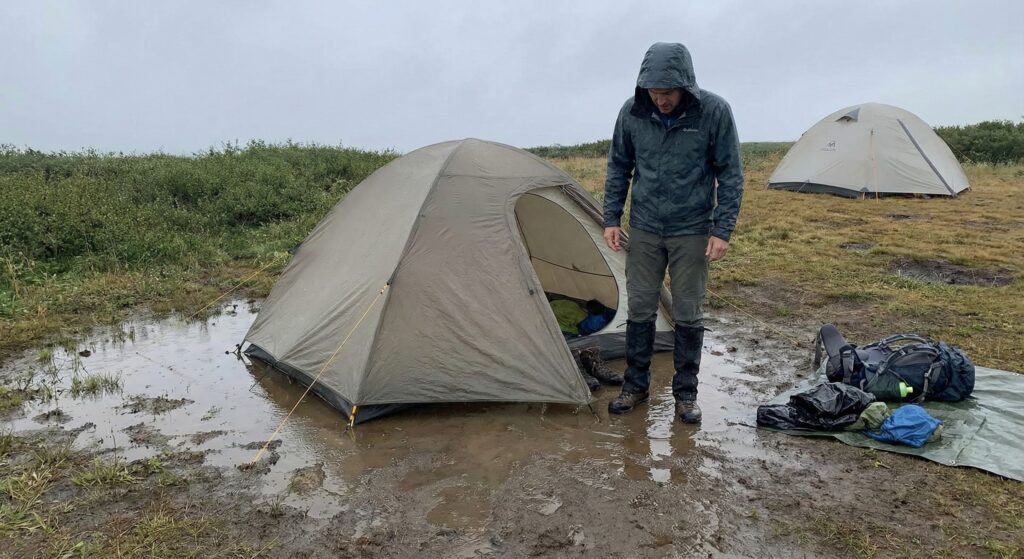
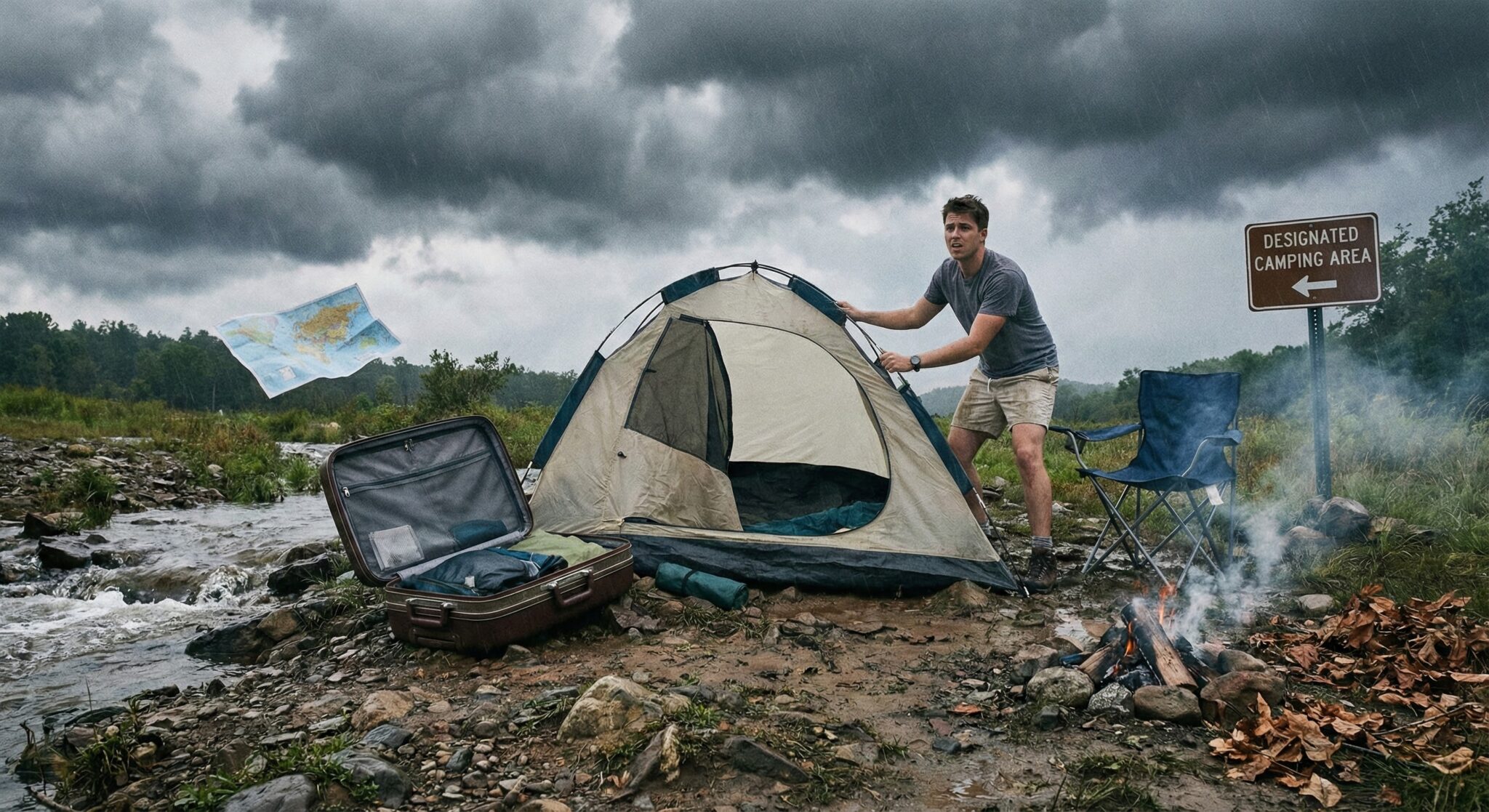
- Setting up near water sources prone to flooding
- Ignoring wind direction
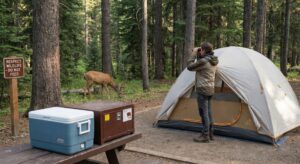
- Camping too close to wildlife paths
Beginners should always choose designated or well-known camping areas for their first trips.
Ignoring Weather Conditions
Weather can change quickly in outdoor environments.
Common weather-related mistakes:
- Not bringing rain protection
- Wearing inappropriate clothing
- Using tents not designed for certain conditions
Checking the forecast and preparing accordingly is essential for safety and comfort.
Poor Tent Setup
Improper tent setup can lead to major issues during the night.
Typical tent-related mistakes:
- Not securing tent stakes properly
- Skipping the rainfly
- Setting up on rocky or uneven ground
- Forgetting to test the tent before the trip
Practicing tent setup at home significantly reduces these problems.
Forgetting About Safety
Safety is often overlooked by beginners who focus only on comfort.
Common safety oversights:
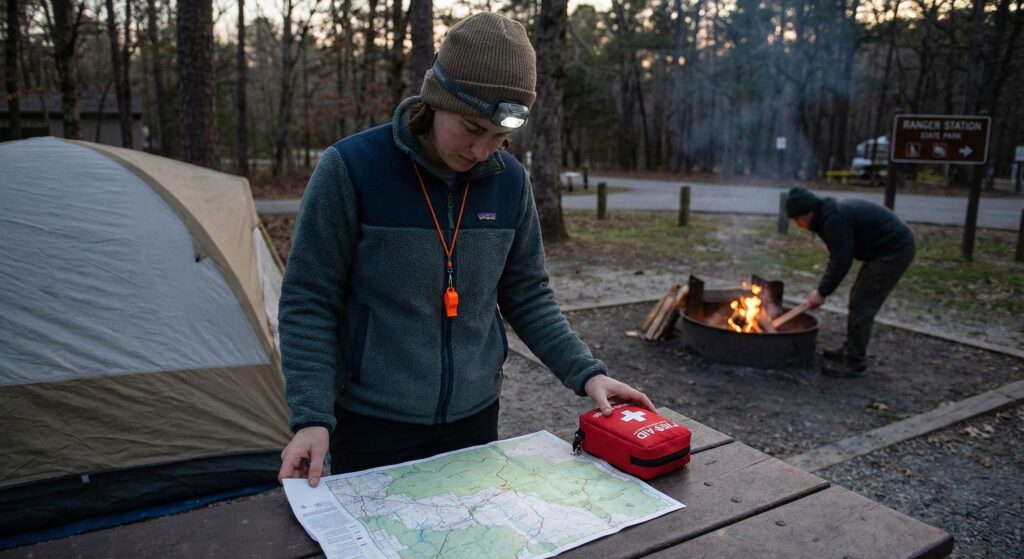
- Not carrying a first aid kit
- Ignoring fire safety rules
- Leaving food unsecured
- Not informing someone about the trip
Basic safety precautions should never be skipped.
Poor Food Planning
Food-related mistakes can impact energy levels and mood.
Examples include:
- Bringing complicated meals
- Forgetting cooking tools
- Underestimating food quantities
- Not planning for proper food storage
Simple, easy-to-prepare meals are ideal for beginner campers.
Leaving No Trace Behind
Many beginners are unaware of camping etiquette.
Mistakes include:
- Leaving trash behind
- Damaging plants or trees
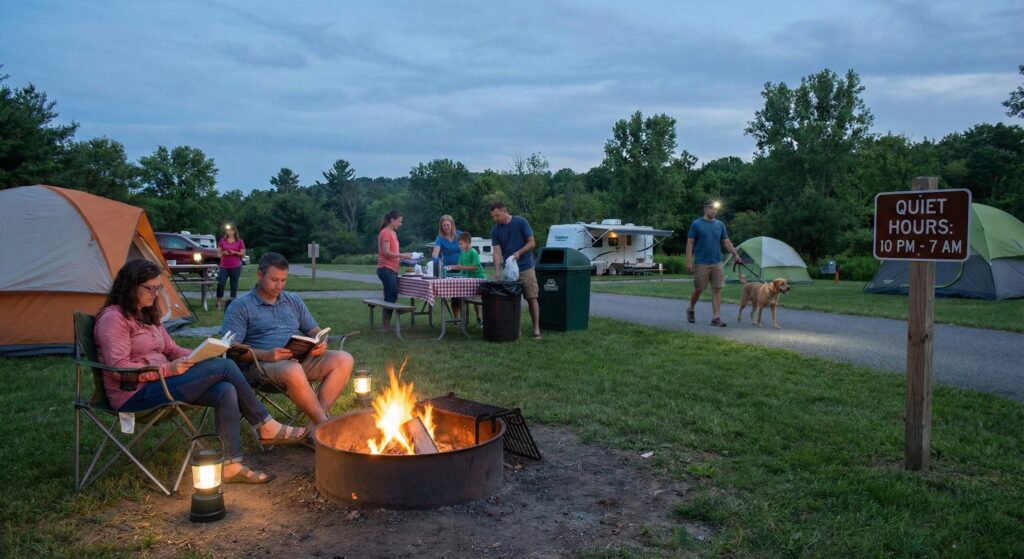
- Making excessive noise
- Disrupting wildlife
Responsible camping ensures nature remains preserved for future visitors.
Not Managing Power and Lighting Properly
Lack of light or power can be inconvenient or unsafe.
Common mistakes:
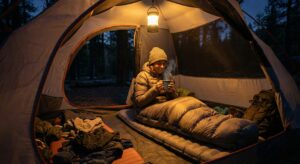
- Relying on a single light source
- Forgetting extra batteries
- Ignoring power backup options
Having multiple lighting solutions improves nighttime safety.
Frequently Asked Questions
Are mistakes normal for beginner campers?
Yes. Mistakes are part of the learning process, but preparation reduces them significantly.
Can beginners camp alone?
It is possible, but group camping is recommended for the first few trips.
How long should a beginner’s first camping trip be?
One or two nights is ideal for learning without pressure.
Conclusion
Camping mistakes are common, especially for beginners, but most of them are easy to avoid with proper preparation and awareness. Planning ahead, packing wisely, choosing the right campsite, and prioritizing safety can make a significant difference.
By avoiding these common mistakes, beginner campers can enjoy a smoother, safer, and more rewarding camping experience.