Camping is one of the most accessible ways to experience nature, disconnect from daily routines, and enjoy simple living outdoors. For beginners, however, the concept of camping can feel unclear or intimidating. Understanding what camping truly involves is the first step toward a positive and rewarding experience.
This guide explains what camping is, the different types of camping, and what beginners should expect before their first trip.
What Does Camping Mean?
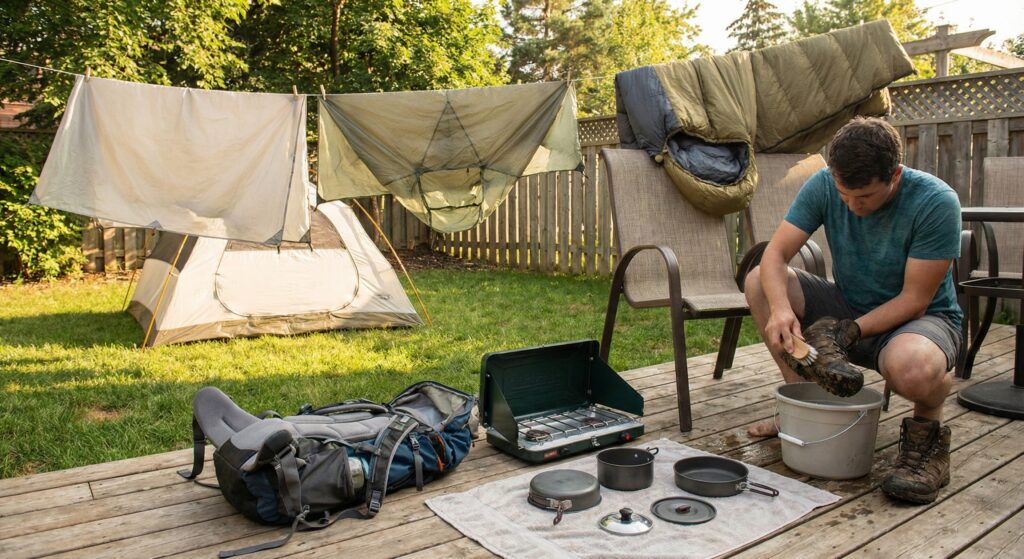
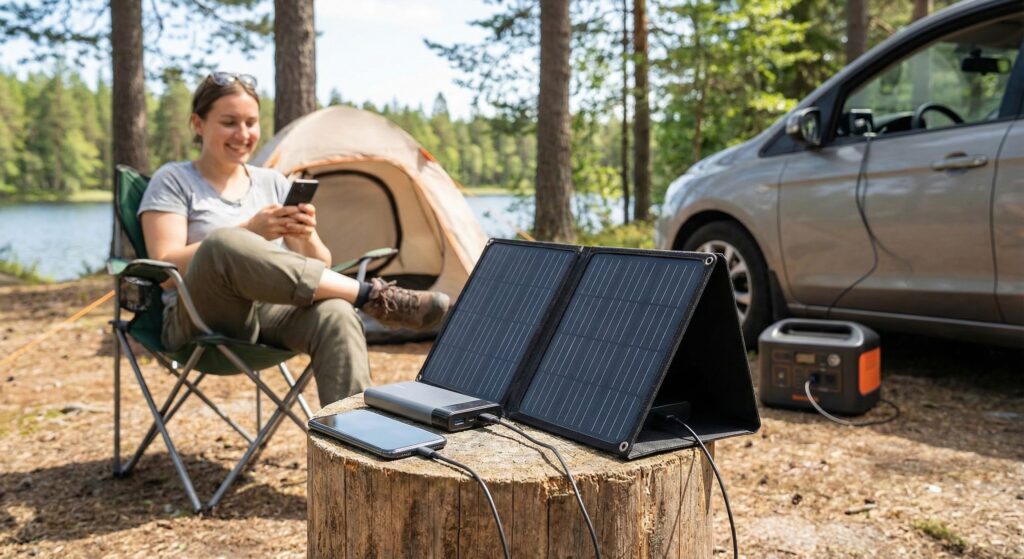
Camping is the activity of staying outdoors, typically overnight, using temporary shelter such as a tent, camper, or vehicle. Unlike hotels or rental accommodations, camping requires individuals to manage their own shelter, food, and basic needs.
At its core, camping is about:
- Spending time in nature
- Simplifying daily routines
- Being self-sufficient
- Enjoying outdoor environments
Camping can be recreational, educational, or even lifestyle-oriented.
Why Do People Go Camping?
People choose camping for many reasons, including:
- Relaxation and stress reduction
- Escaping urban environments
- Connecting with nature
- Spending quality time with family or friends
- Learning practical outdoor skills
For beginners, camping offers a chance to slow down and experience a different pace of life.
Types of Camping Explained
There are several forms of camping, each offering a different experience.
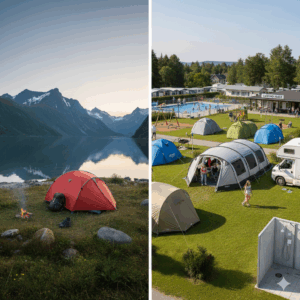
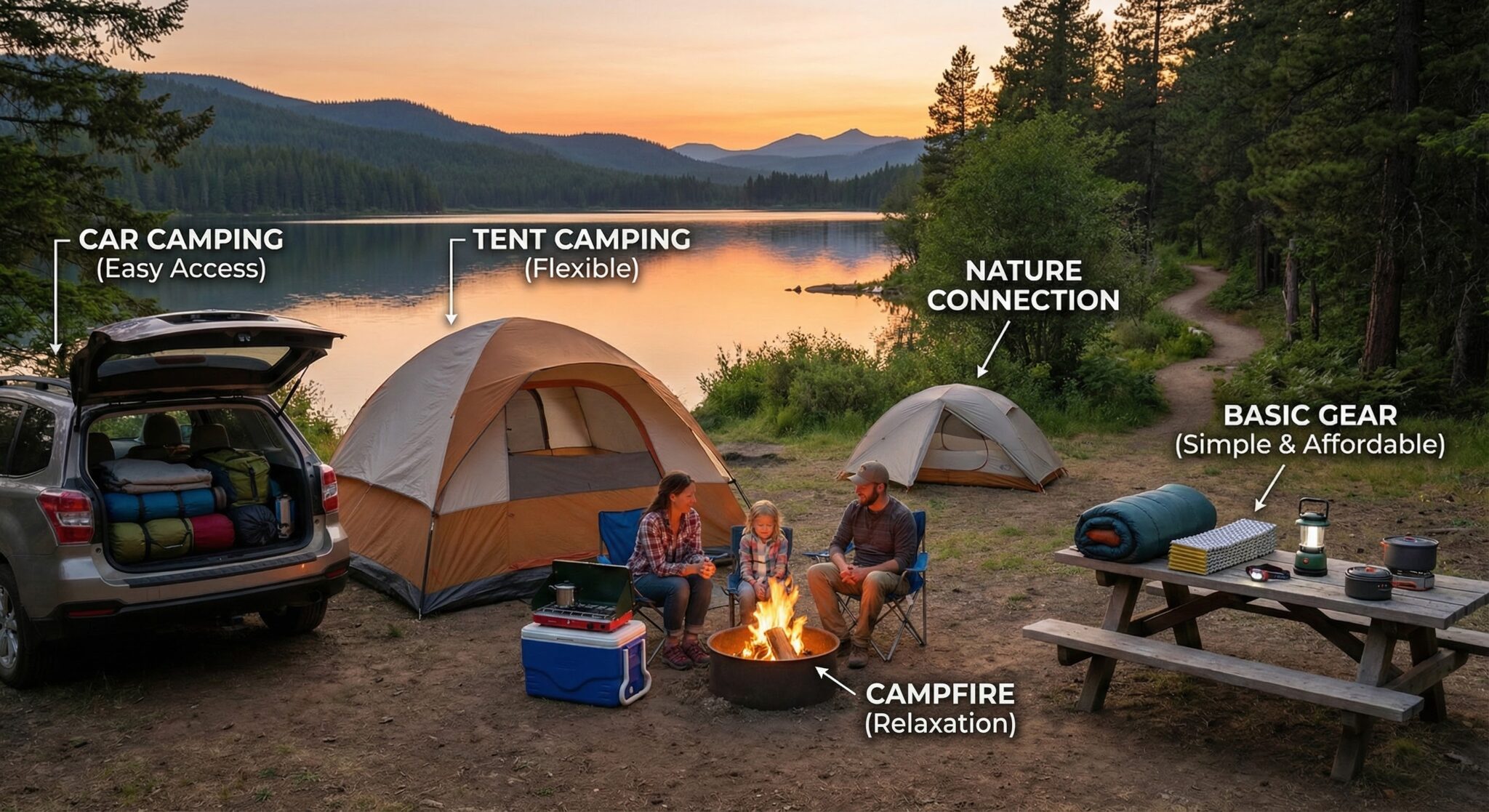
Tent Camping
The most common type, especially for beginners.
- Uses a tent for shelter
- Can be done at designated campsites
- Offers flexibility and affordability
Car Camping
Ideal for first-time campers.
- Campsite accessible by car
- Allows more gear and comfort
- Easier setup and packing
Backpacking
A more advanced form of camping.
- Requires carrying all equipment
- Involves hiking to the campsite
- Not recommended for beginners
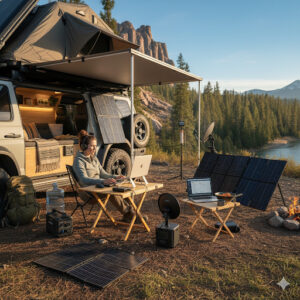
RV or Camper Camping
Offers more comfort and convenience.
- Includes built-in sleeping and cooking areas
- Less exposure to outdoor conditions
- Less connection to traditional camping experience
Beginners typically start with tent or car camping.
What Equipment Is Needed for Camping?
Camping does not require expensive or professional gear, especially for beginners.
Basic equipment includes:
- Tent
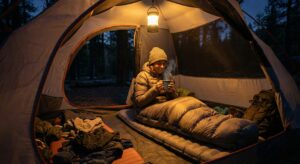
- Sleeping bag
- Sleeping pad
- Lighting (headlamp or lantern)
- Cooking tools
- Food and water
- Appropriate clothing
Starting simple is the best approach.
What Is Camping Like for Beginners?
First-time camping experiences vary, but beginners should expect:
- A learning curve
- Minor discomforts
- Unpredictable weather
- New routines
These challenges are normal and part of the experience. Preparation reduces discomfort significantly.
Is Camping Safe?
Camping is generally safe when done responsibly.
Safety depends on:
- Choosing appropriate locations
- Understanding weather conditions
- Following basic safety rules
- Being prepared with proper equipment
Beginners should avoid remote areas and start with well-known campsites.
When Is the Best Time to Go Camping?
The best time for beginners is typically:
- Spring or summer
- Mild weather conditions
- Longer daylight hours
These conditions make camping more comfortable and forgiving.
Camping Etiquette and Responsibility
Camping comes with responsibility toward nature and others.
Basic rules include:
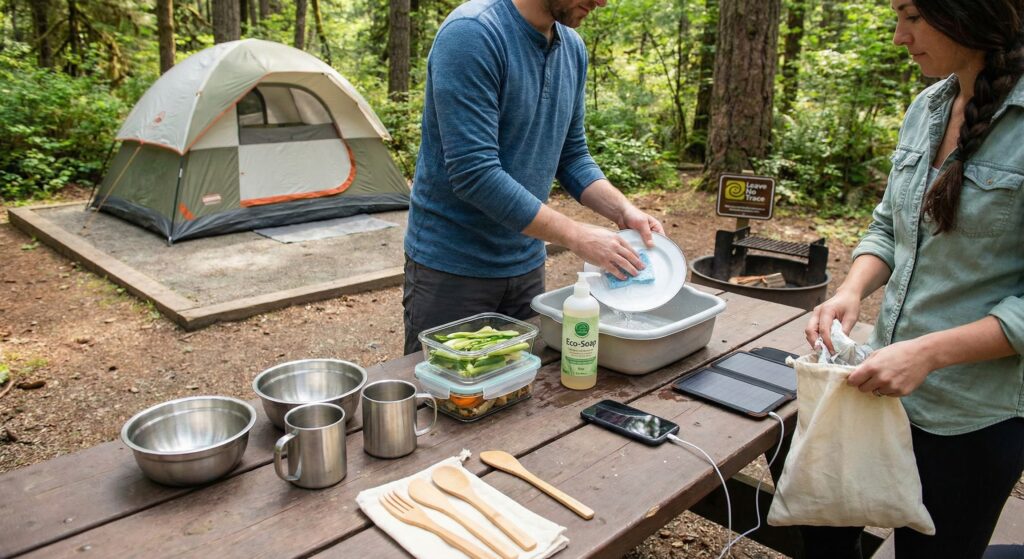
- Leaving no trash behind
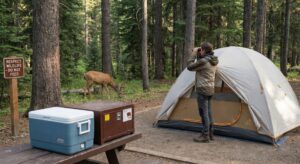
- Respecting wildlife
- Keeping noise levels low
- Following campsite regulations
Responsible camping helps preserve natural areas for future visitors.
Common Misconceptions About Camping
Many beginners believe:
- Camping is always uncomfortable
- Camping is dangerous
- Camping requires expensive gear
In reality, camping can be comfortable, safe, and affordable with proper preparation.
Frequently Asked Questions
Is camping suitable for everyone?
Yes, with the right preparation and location, most people can enjoy camping.
Do beginners need special skills?
No advanced skills are required to start camping.
Can camping be done alone?
Yes, but group camping is recommended for beginners.
Conclusion
Camping is a simple yet meaningful way to experience nature. For beginners, understanding what camping involves removes uncertainty and builds confidence. With basic equipment, proper planning, and realistic expectations, camping becomes an enjoyable and rewarding activity.
This guide provides the foundation needed to begin your camping journey with clarity and confidence.