Proper food storage is one of the most overlooked aspects of camping, especially for beginners. Storing food incorrectly can lead to spoilage, foodborne illness, and unwanted wildlife encounters. Learning how to store food safely while camping is essential for both comfort and safety.
This guide explains simple and effective food storage practices that every beginner camper should follow.
Why Food Storage Matters When Camping
Unlike at home, camping environments expose food to heat, moisture, insects, and animals.
Safe food storage helps you:
- Prevent food spoilage
- Avoid attracting wildlife
- Reduce health risks
- Keep your campsite clean and organized
Good food storage practices protect both campers and nature.
Understand the Risks of Improper Food Storage
Improper storage can create serious problems.
Common risks include:
- Food poisoning from spoiled items
- Insects invading food supplies
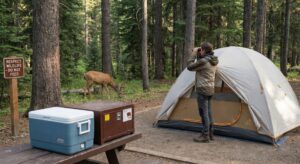
- Animals approaching campsites
- Strong odors lingering in tents
Even small mistakes can cause significant inconvenience.
Use Sealed and Airtight Containers
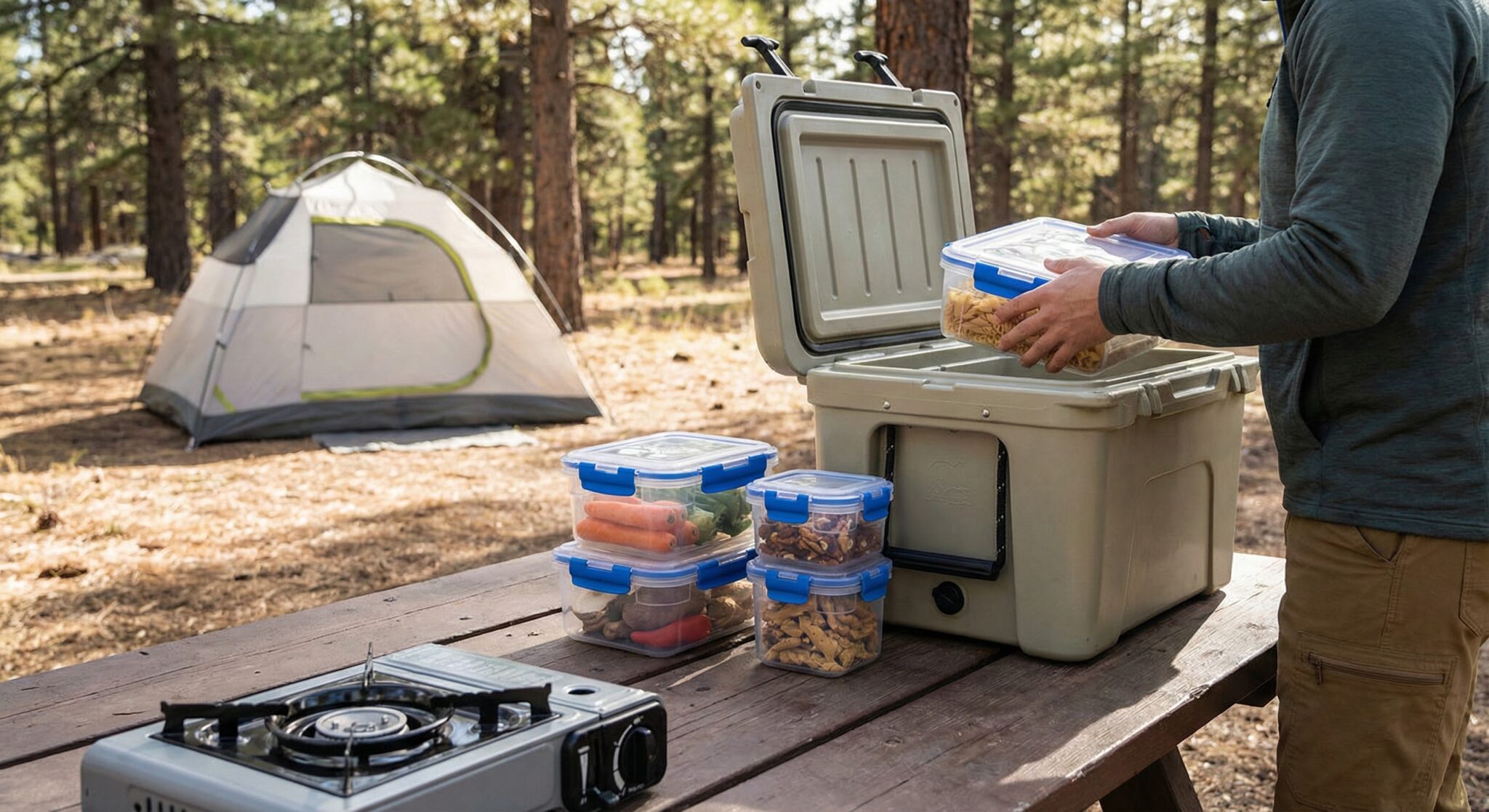
The most effective way to store food while camping is using airtight containers.
Recommended options:
- Hard plastic containers with locking lids
- Resealable bags for dry food
- Odor-resistant bags where available
Sealed containers reduce smells and protect food from pests.
Keep Food Away From Sleeping Areas
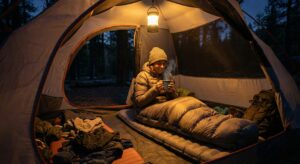
Never store food inside your tent.
Best practices:
- Store food in designated food storage areas
- Keep containers away from sleeping spaces
- Avoid leaving food unattended
Separating food and sleeping areas reduces safety risks significantly.
Store Perishable Food Properly
Perishable food requires extra care.
Tips for perishables:
- Use insulated coolers
- Add ice packs or frozen water bottles
- Keep coolers shaded
- Limit opening coolers frequently
For beginners, minimizing perishable food is often the safest option.
Manage Cooking and Eating Areas
Cooking and eating should be done away from sleeping zones.
Key guidelines:
- Prepare food in designated areas
- Clean surfaces immediately after use
- Avoid spilling food scraps
This reduces odors and attracts fewer insects or animals.
Dispose of Food Waste Correctly
Food waste management is crucial while camping.
Waste disposal tips:
- Seal food scraps in trash bags
- Use campsite waste facilities when available
- Never bury food waste
- Pack out trash if no disposal is provided
Leaving food waste behind harms wildlife and the environment.
Be Aware of Wildlife Considerations
Different camping areas have different wildlife risks.
Important precautions:
- Follow local guidelines for food storage
- Use bear-proof containers where required
- Never feed wild animals
Respecting wildlife keeps both campers and animals safe.
Keep Your Campsite Clean
A clean campsite is a safe campsite.
Cleanliness tips:
- Wash dishes promptly
- Store leftovers immediately
- Wipe down cooking equipment
- Check the area for crumbs
Clean habits prevent many camping problems.
Common Food Storage Mistakes Beginners Make
Beginners often make these mistakes:
- Leaving food out overnight
- Storing food in tents
- Ignoring odors
- Bringing too many perishables
Avoiding these mistakes improves safety and comfort.
Frequently Asked Questions
Can I store food in my car?
Yes, if permitted by campsite rules and properly sealed.
Do I need special containers?
Airtight containers are strongly recommended, especially in wildlife areas.
Is it safe to bring fresh food?
Yes, but only with proper cooling and storage.
Conclusion
Storing food safely while camping is not complicated, but it requires attention and consistency. By using sealed containers, keeping food away from sleeping areas, managing waste properly, and respecting wildlife, beginners can prevent common camping issues.
Safe food storage contributes to a cleaner campsite, a safer environment, and a more enjoyable camping experience.