Safety is the foundation of every successful camping trip. Beginners often focus on excitement and preparation while underestimating basic safety principles. Most camping-related problems occur not because of extreme conditions, but because simple safety rules are ignored.
This guide explains essential camping safety basics that every beginner must follow to ensure a safe and enjoyable outdoor experience.
Why Camping Safety Is So Important
Camping places people in unfamiliar environments.
Basic safety awareness:
- Prevents accidents
- Reduces panic in unexpected situations
- Protects health and well-being
- Ensures trips end positively
Safety planning does not remove fun—it protects it.
Choose a Safe Campsite
Safety starts with location selection.
A safe campsite should:
- Be on flat, stable ground
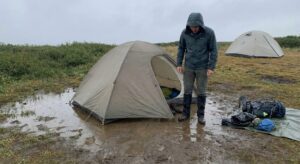
- Avoid flood-prone or low areas
- Be away from dead trees or cliffs
- Follow campsite regulations
Designated campsites are safest for beginners.
Know the Weather Before You Go
Weather awareness is critical outdoors.
Safety checks include:
- Reviewing weather forecasts
- Monitoring sudden changes
- Avoiding camping during severe warnings
Weather-related issues are among the most common camping risks.
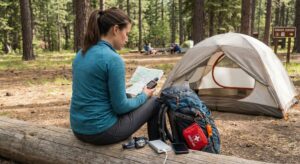
Inform Someone About Your Plans
Never camp without telling someone.
Share:
- Your destination
- Trip duration
- Expected return time
This step is crucial in case of emergencies.
Handle Campfires Responsibly
Campfires can be useful but dangerous.
Fire safety rules:
- Use designated fire pits
- Keep fires small
- Never leave fires unattended
- Fully extinguish fires
Fire safety protects both people and nature.
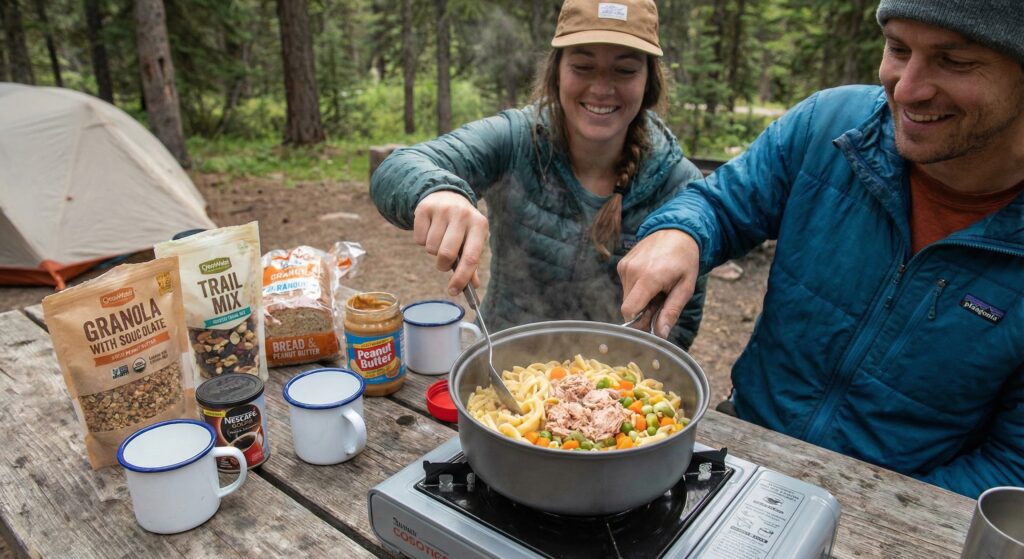
Store Food Properly
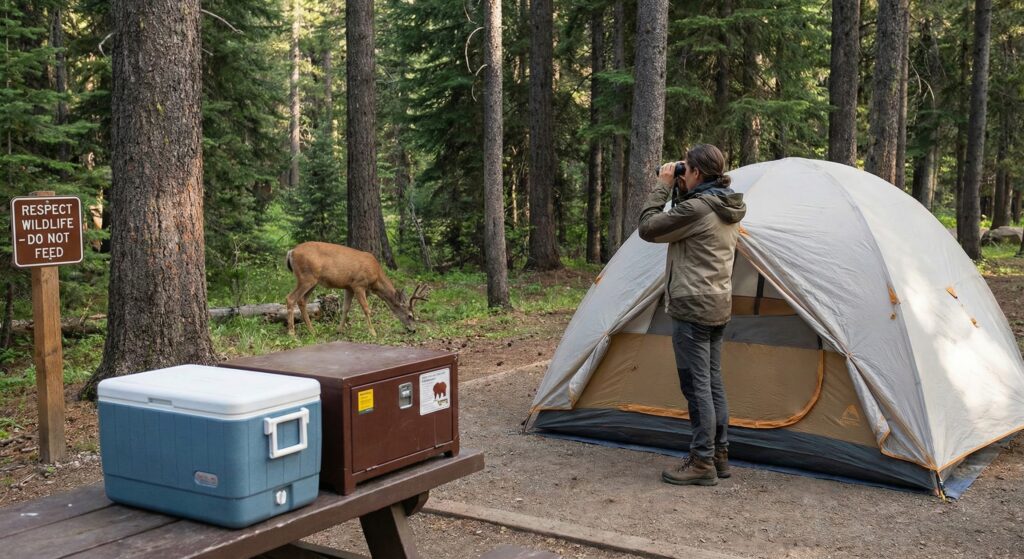
Improper food storage attracts wildlife.
Safety practices:
- Use sealed containers
- Keep food away from sleeping areas
- Dispose of waste correctly
Proper storage prevents dangerous encounters.
Carry Basic Safety Equipment
Certain items are essential for safety.
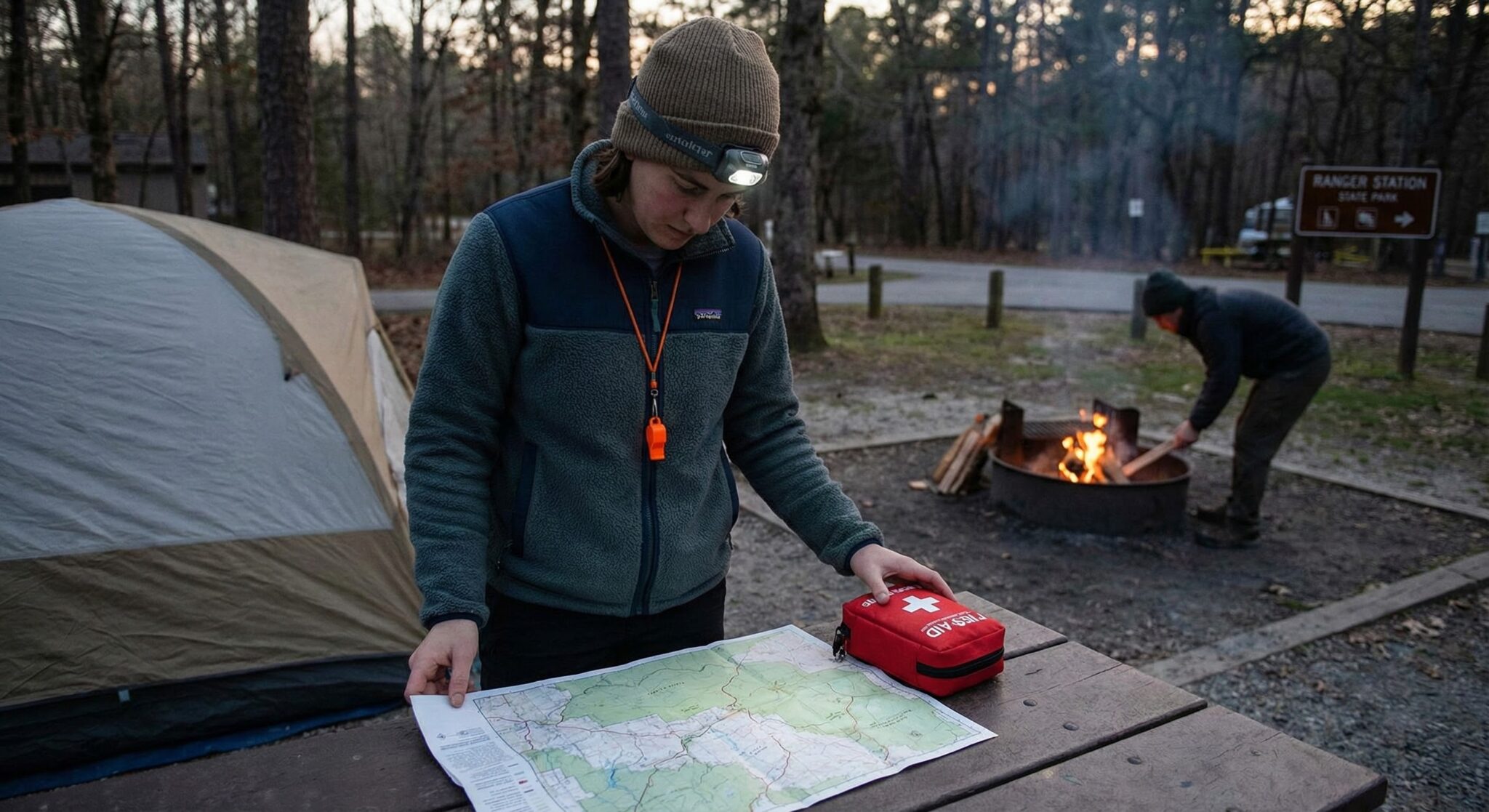
Beginner safety essentials:
- First aid kit
- Flashlight or headlamp
- Whistle or signaling device
- Fully charged phone
These tools help manage minor emergencies.
Practice Basic Hygiene and Health Safety
Health issues can escalate outdoors.
Important habits:
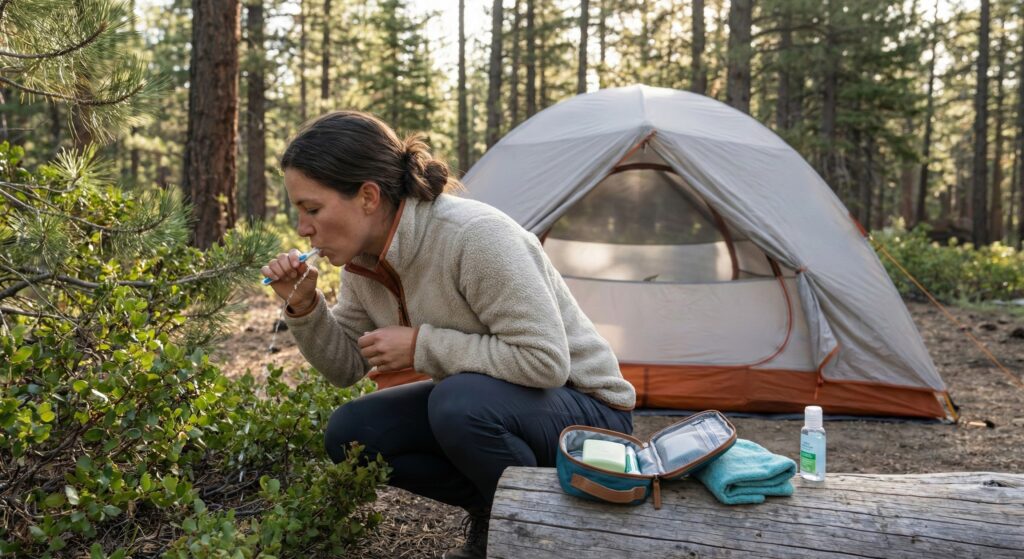
- Wash hands before eating
- Stay hydrated
- Protect against sun and insects
Basic hygiene supports overall safety.
Avoid Risky Activities
Beginners should limit high-risk behavior.
Avoid:
- Hiking unfamiliar terrain alone
- Swimming in unknown waters
- Exploring at night
Cautious behavior reduces accidents.
Stay Aware of Your Surroundings
Situational awareness improves safety.
Pay attention to:
- Wildlife activity
- Weather changes
- Terrain conditions
Awareness allows quick and calm responses.
Know When to Leave or Change Plans
Safety sometimes means changing plans.
Leave or adjust plans if:
- Weather worsens
- Equipment fails
- You feel unwell or unsafe
Ending a trip early is a smart safety decision.
Common Safety Mistakes Beginners Make
Typical mistakes include:
- Ignoring weather warnings
- Overconfidence
- Poor campsite selection
- Lack of communication
Learning from these mistakes improves safety.
Frequently Asked Questions
Is camping dangerous for beginners?
No, when basic safety rules are followed.
Do I need advanced survival skills?
No. Basic preparation and awareness are enough.
What is the most important safety rule?
Planning ahead and staying aware.
Conclusion
Camping safety is based on preparation, awareness, and responsible behavior. Beginners who follow basic safety rules significantly reduce risks and enjoy more relaxed and confident camping experiences.
Safety is not about fear-it is about being prepared.